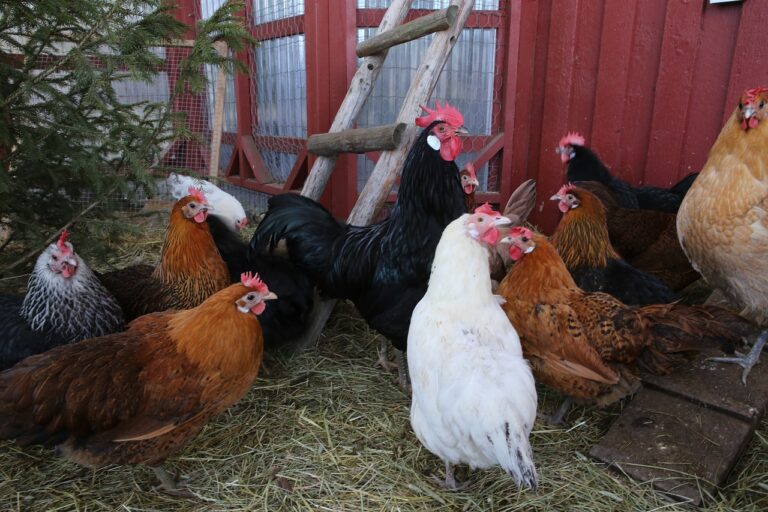
Summer can be a challenging time for chickens. High temperatures can lead to stress, decreased egg production, and even health issues. As a responsible chicken keeper, it’s crucial to provide your feathered friends with a comfortable environment. Here are some practical tips to help keep your chickens cool during the hot months.
Purchasing items through the links provided in my blog is a way to help me earn a small commission at no extra cost to you. Thank you so much for your interest and support! See the full disclosure here!
1. Provide Shade
Chickens need shade to escape the direct sunlight. Here are some ideas:
Plant Trees
If you have space, planting some trees can create natural shade. Some variety of trees are fast growing and can reach great heights in just a couple of years. Make sure to pick a variety that is drought-tolerant and suitable for your area. Well worth the wait, natural shade over the chicken coop and run is ideal for saving money on buying tarps and shade fabrics year after year.
Add a Shade Structure
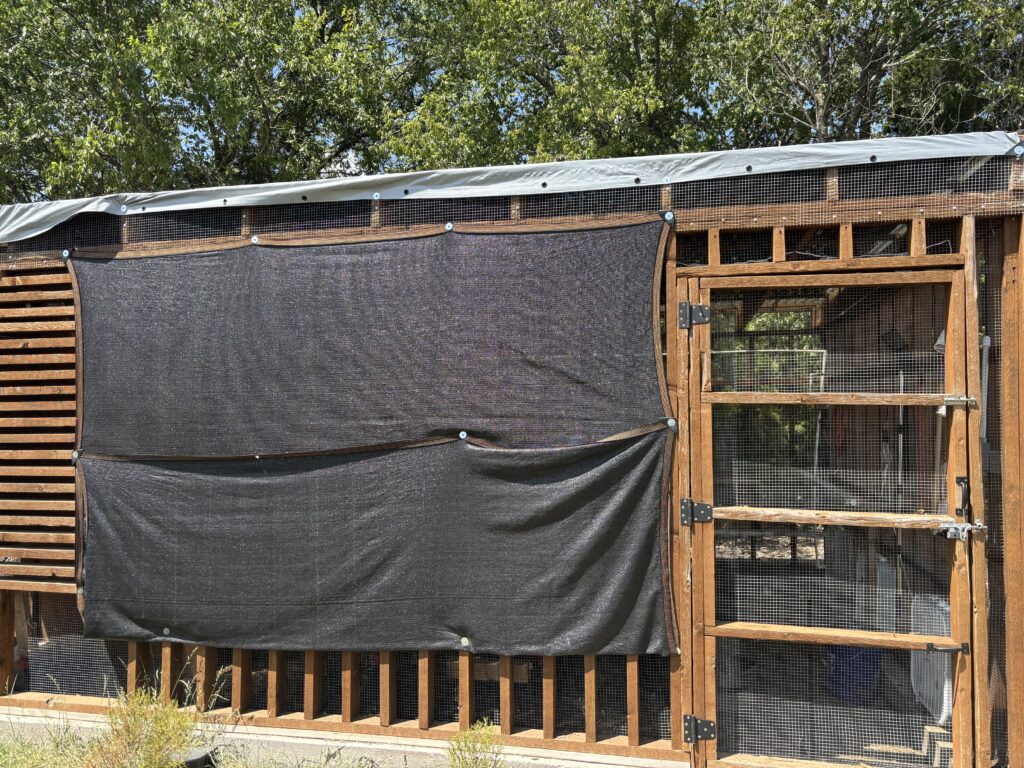
Consider building a simple structure using tarp, netting, shade cloths or old pallets. Ensure it’s sturdy and positioned to block the sun. Your hens will thank your for your efforts!
Use Tarps or Canvas
Drape tarps over part of the coop or run to create shaded areas where they can relax. Depending on the type of roof you have for your chicken coop and how harsh the elements wear out the tarps, consider using a heavy duty tarp. Light and medium weight tarps are not thick enough to withstand the sun and wind damage for too long. Not to mention, plan on buying a new tarp every summer! Reusing a used tarp may not hold up during the whole season. In the end do what your can and use what you have on hand. Your hens will concur that some shade is better than nothing!


Plant Sunflowers
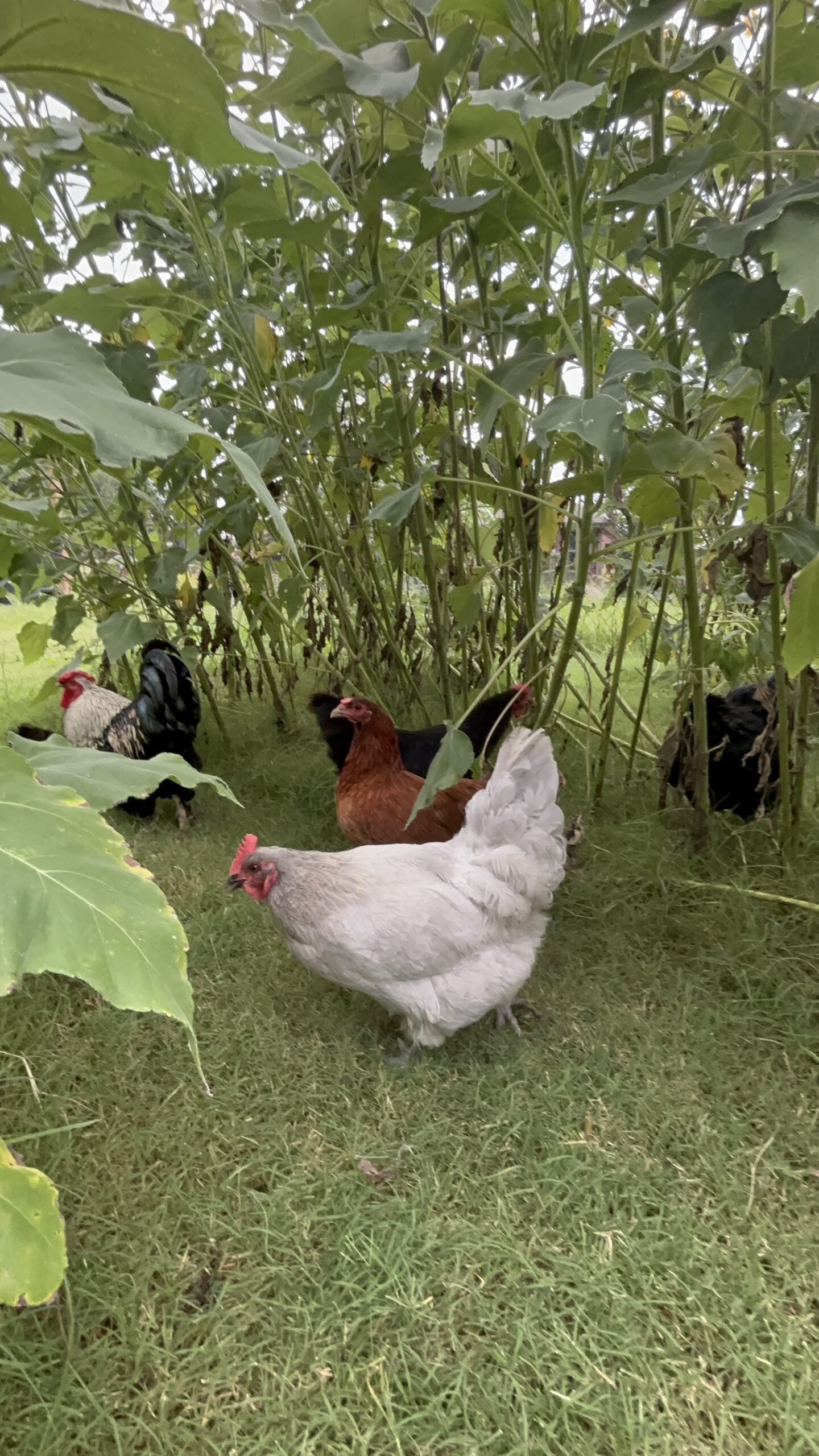
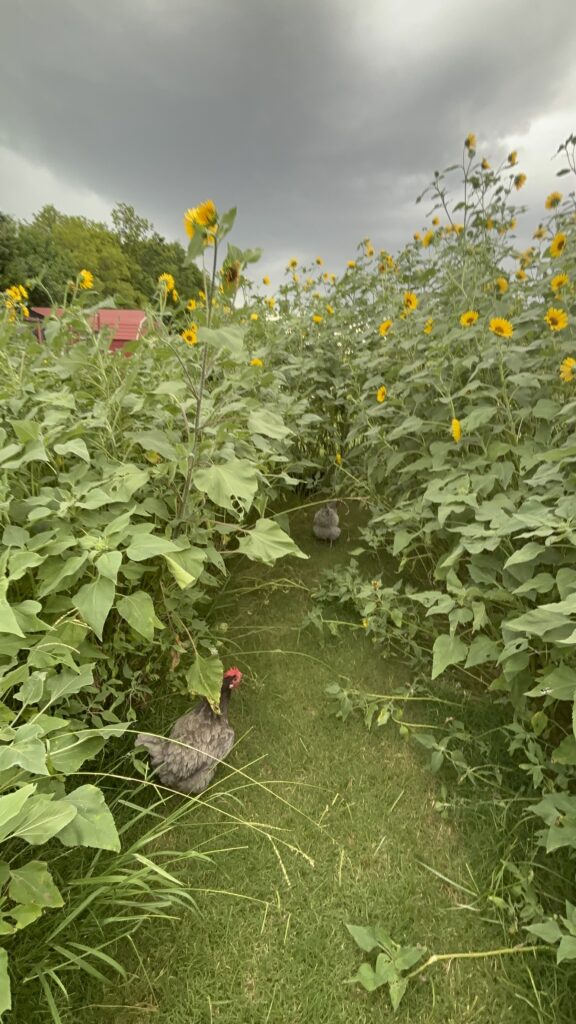
Some taller verities of sunflowers can grow up to 8-12 feet in length and their large leaves can extend to about 2 feet wide if given the proper spacing. Native branching common sunflowers grow very well in my growing zone 8b. Because sunflowers have very deep tap roots, they can survive brutal long summers with very minimal watering and in poor soil. Not only can you enjoy the beautiful sunflowers, but you will find your chickens enjoying the shade as well!
2. Ensure Fresh Water
Fresh water is essential for hydration. Here’s how to ensure your chickens have access to it:
Frequent Water Changes
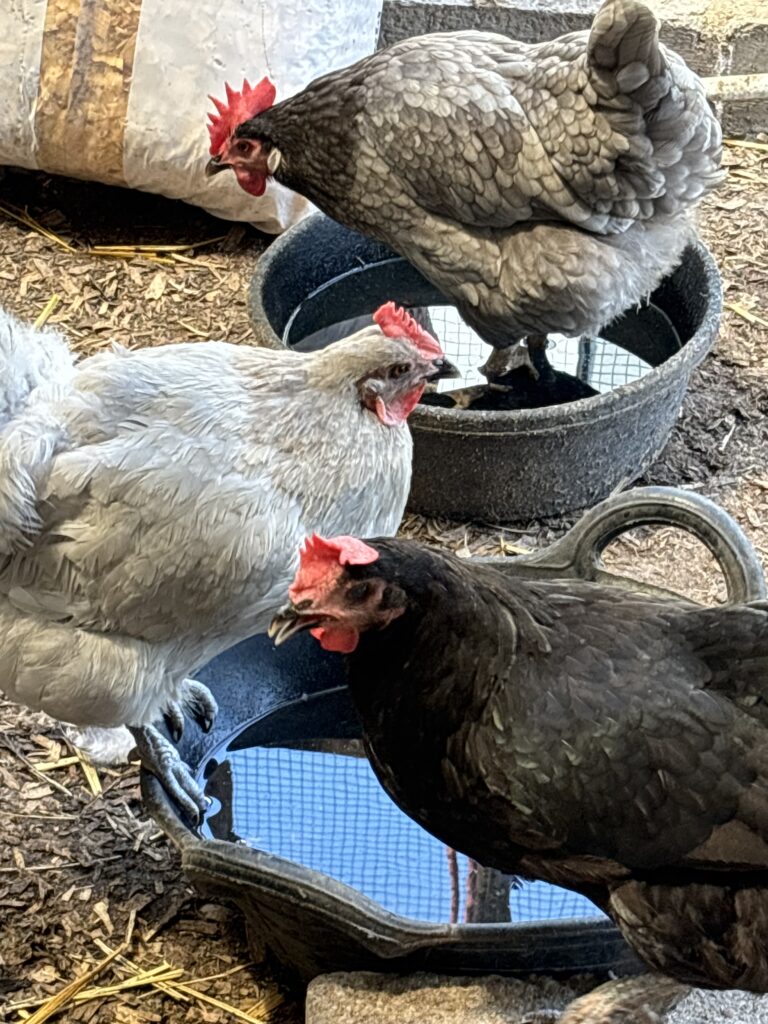
Hens are encouraged to stay hydrated if given clean fresh water daily. There is nothing wrong with having automatic watering systems for your hens, just make sure you do your best to keep the water flowing with a water pump. Keep it cool and frequently check that the system is working!
Add Electrolytes
Keep your hens hydrated with electrolytes! Don’t add too many extras like garlic cloves or apple cider vinegar during summer. Although it’s a great way to keep your hens healthy, they sometimes feel discouraged to drink enough water during summer with these additives. Keep it simple!
Use Waterers with Ice
Fill waterers with frozen water jugs to lower the temperature of your chicken’s water. Instead of recycling your large plastic jugs and containers, wash them out and fill them up with water. Having an extra refrigerator in the garage or a deep freezer provides extra space to store your chicken’s frozen ice jugs during the summer season.
When refreezing them, make sure to clean them and put them inside a plastic trash bag to ensure you keep them separated from your own food. Depending on how many chicken waterer you have, try to freeze double the amount of jugs so you always have some ready to go.
Add a Cooling Feature
Consider using a misting system or keeping waterers in shaded areas, so the water doesn’t heat up in the sun.
3. Ventilation is Key
A well-ventilated coop can make a world of difference:
Open Windows and Doors
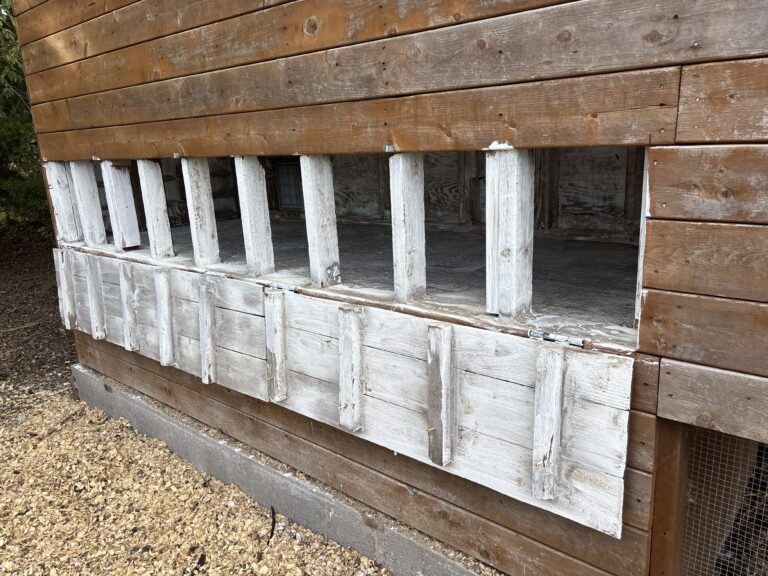
If it’s safe to do so, keep windows and doors open for ventilation. Make sure to close them on time to avoid predators from entering your chicken coop.
Install Fans
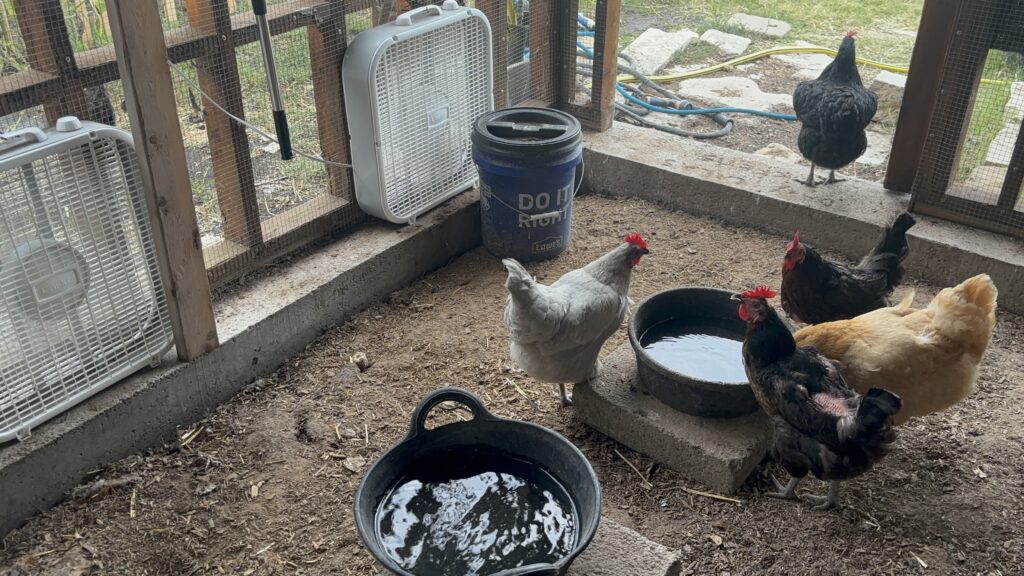
Small, secure fans can help circulate air inside the coop. Ensure they are properly installed and safe from chicken pecking. Adding a timer to your fans is helpful in the event that you don’t want them running 24 hours a day. Fans in the chicken run can be on during the day, while the exhaust fans in the sleeping coop run during the night. Keeping the fans on all day can burn them out for sure!
If you don’t have electricity in or close to your chicken coop, you can install solar panel fans. Make sure you get strong enough fans to circulate the air. Some fans running on solar panels don’t push enough air and turn off too early if you don’t have a storage battery. We tried fans on solar power without a battery and as soon as the solar panels are shaded, the fans stop. On a cloudy day, the fans will turn on and off randomly. It was actually pretty annoying so we opted to installing electricity in our chicken coop.


Elevate the Coop
Raising the coop on blocks can improve airflow underneath and keep the floor cooler.
4. Use Cooling Tools
Chickens can benefit from some creative cooling tools:
Frozen Water Bottles
Place frozen water bottles in the run for chickens to lean against or gather around.
Chicken Pools
Add shallow tubs or kiddie pools filled with cool water for a refreshing dip. Try to buy something thick and sturdy or you will have to replace it every year. After buying the flimsy kiddie pools, I realized that they cracked easy, were harder to empty out, mice would raise their young under it and small snakes would follow their prey. Smaller sturdy tubs will last longer and you can place them in different parts of the chicken run so all your chickens get a chance to step in and freshen up during a hot day.
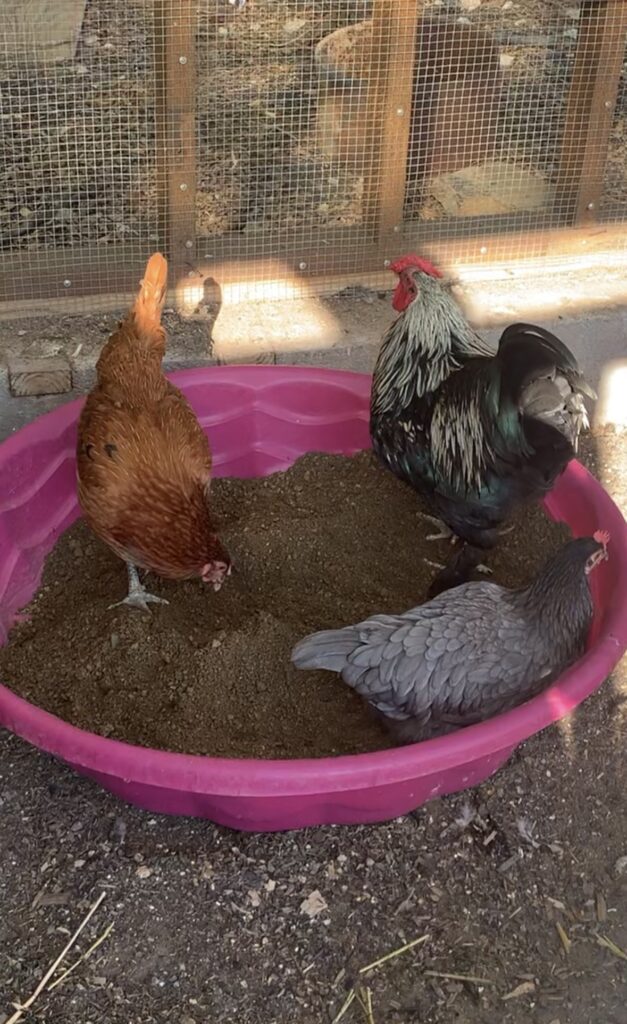
Sand or Dust Baths
Provide a shady area with sand or fine dirt for them to bathe, which can help them cool off. A cheap kiddie pool will work but as mentioned earlier, they are flimsy and crack easy. It’s difficult to move a kiddie pool full of dirt around if needed so it is best to use a heavy duty tub for a long lasting solution.
5. Adjust Feeding Schedule
Chickens use a lot of energy to digest food, especially in high heat. Here’s what you can do:
Feed in the Evening
Avoid feeding your chickens treats in the hottest part of the day. Grain and scratch feed should be given during cooler parts of the day—early morning or late evening.
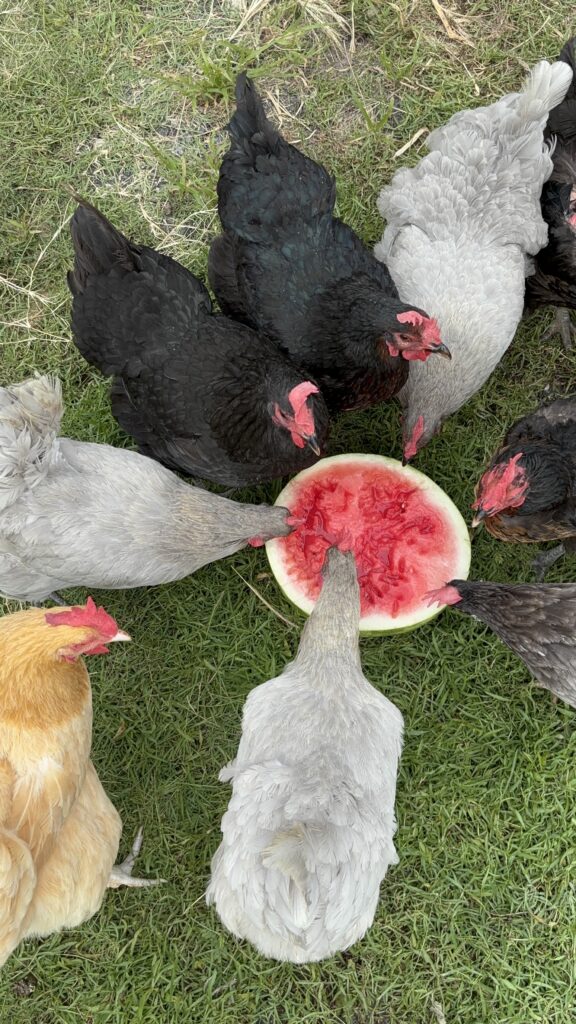
Offer Hydrating Treats
Provide treats like watermelon or cucumbers, which have high water content. Avoid feeding too much food like corn, which can generate too much body heat.
6. Observe Behavior
Keep a close eye on your chickens for signs of heat stress. Symptoms can include:
Panting
Chickens don’t sweat to cool down, instead they pant like dogs. If your chickens are panting frequently and spreading their wings, it’s a sign they are overheated. Make sure to provide plenty of shade and fresh water with electrolytes to hydrate them as soon as possible.
Lethargy
If your chickens are more sluggish than usual, check their environment. In severe cases, it’s best to shelter them indoors for a couple of days in order for them to recuperate.
Huddling in Shade
They may seek shade more often when feeling hot. Keep an eye on their behavior and provide the needed care as soon as possible.
7. Consider Heat-Tolerant Breeds
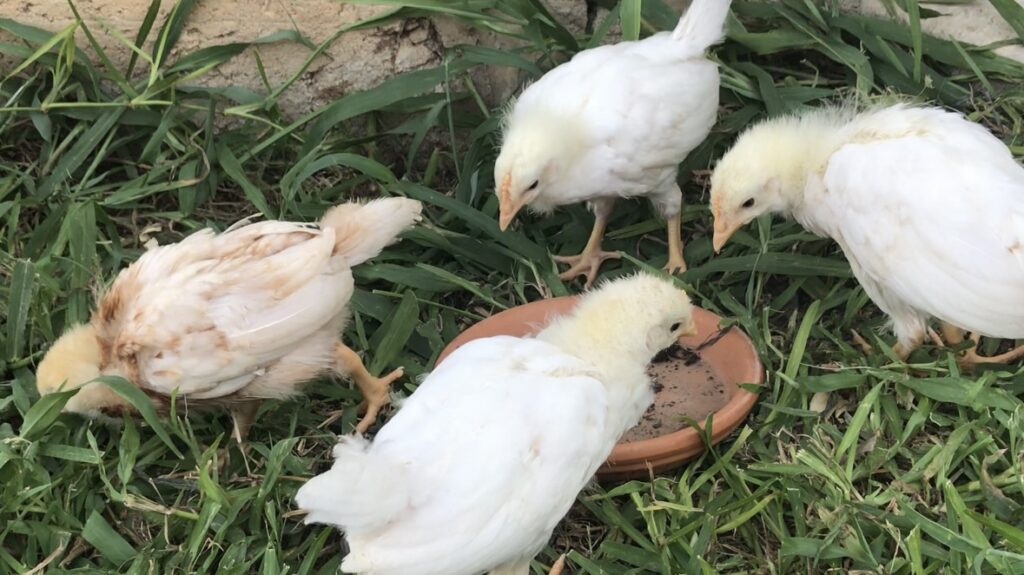
Some chicken breeds are more heat-tolerant than others. If you’re considering adding new birds to your flock, research and opt for heat-resistant breeds, such as:
- Leghorns
- Rhode Island Reds
- Australorps
- Barred Plymouth Rock
- Blue Plymouth Tint
- Sex-Links
Helping hens get through the summer can be challenging and worrisome for chicken keepers. Don’t over-stress yourself and start off right by picking breeds that cope better in warmer climates.
8. Limit Stressful Activities
During extreme heat, minimize any stressful activities to help your hens beat the heat!
Keep Your Hands to Yourself
We all know how cute and cuddly those fluffy feathered butts can be but avoid picking up your hens or moving them often, as this can add to stress.
Limit Recess Time
Chickens love their freedom but it’s best to avoid allowing them to free-range during the hottest parts of the day. At times, they can be stubborn and over-tire themselves in search for treats. A short evening recess, during sun-set will be sufficient time to keep your feathered friends happy.
Personally, during summer months, I don’t free-range my chickens during the morning hours because it’s difficult to persuade them all to get back into their chicken run by noon. Instead, I make my life easier and grant them freedom to free-range between 5-8pm before they tuck themselves into their coop for the night.
Conclusion
Keeping your chickens cool during hot summer days is vital for their health and productivity. By providing shade, fresh water, good ventilation, and some creative cooling tools, you can help your flock thrive even in the heat. Remember to be attentive to their needs and check on them regularly.
Recommendations
Rooster Booster Vitamins and Electrolytes with Lactobacillus, Natural, 8 oz.
Lasko 20″ Classic Box Fan with Weather-Resistant Motor, 3 Speeds, 22.5″ H, White,