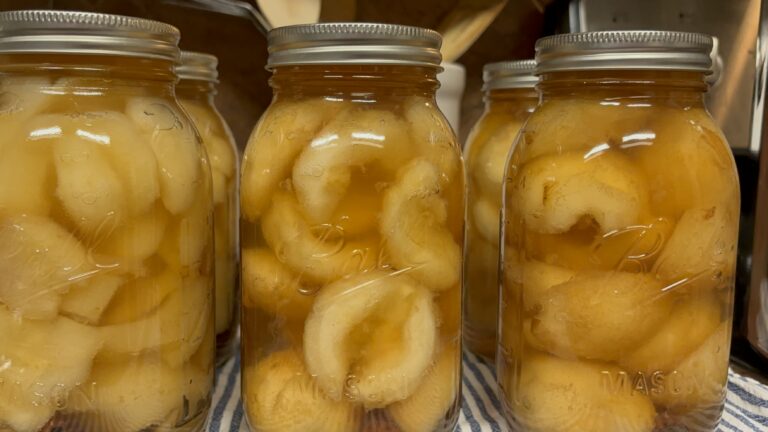
Creating your own tomato sauce and preserving it is a rewarding culinary endeavor! Not only does it allow you to enjoy the fresh, vibrant flavors of your very own homemade sauce, but it also enables you to preserve the taste of summer tomatoes for use throughout the year. On the plus side, if you are preserving your very own home grown tomatoes, you will enjoy the process even more! Let’s get started by selecting the best tomatoes for canning!
Purchasing items through the links provided in my blog is a way to help me earn a small commission at no extra cost to you. Thank you so much for your interest and support! See the full disclosure here!
Choosing the Right Tomatoes
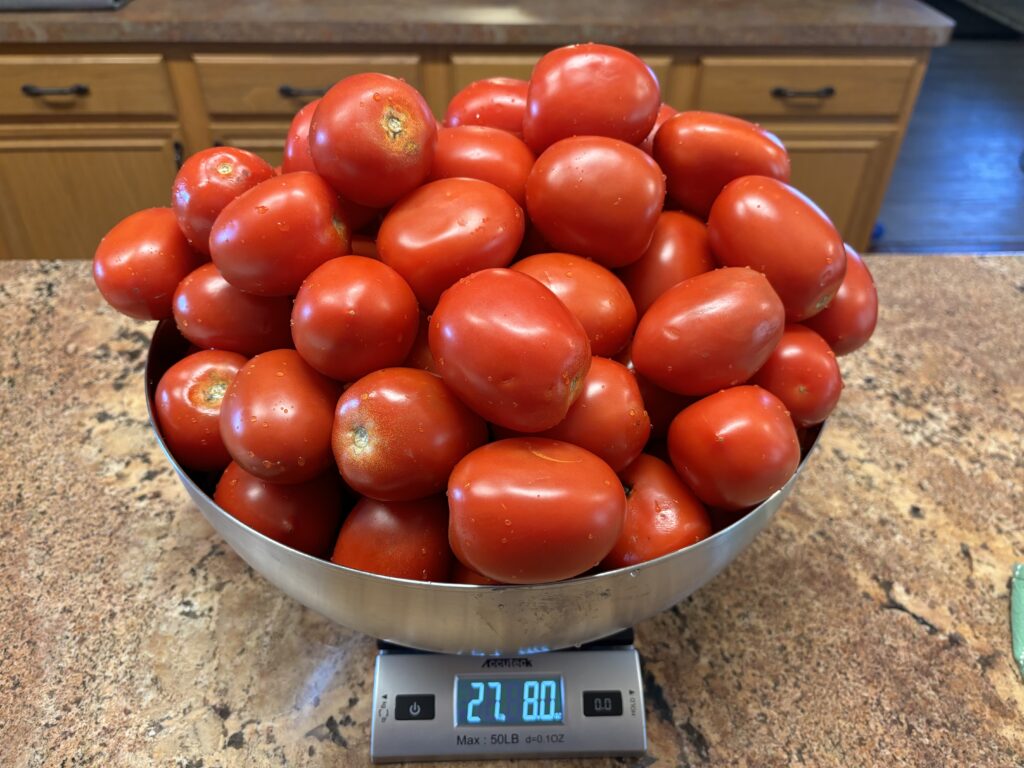
The first step in making your own tomato sauce is selecting the right tomatoes. Here are some popular varieties ideal for sauce-making:
Roma Tomatoes: Known for their thick flesh and fewer seeds, Romas are perfect for sauce.
San Marzano Tomatoes: Sweet and rich in flavor, these tomatoes are often regarded as the best for sauces.
Determinate Varieties: These tomatoes tend to produce a heavy crop all at once, making them ideal for sauces.
In the case that you are growing your own tomatoes and don’t have enough ripe tomatoes to preserve a large batch, you can pre-wash, core and freeze them in a plastic container until you are ready to sauce them up.
Ingredients for 6 Quarts:
- 27-30 Pounds of ripe tomatoes for a thin sauce
- Salt (1 teaspoon per quart)
- Bottled concentrated lemon juice (2 tablespoons per quart)
Preparing Your Tomatoes
Once you’ve selected or harvested your tomatoes, it’s time to prepare them. Here’s how:
1. Wash the Tomatoes: Rinse them under cold water to remove any dirt.
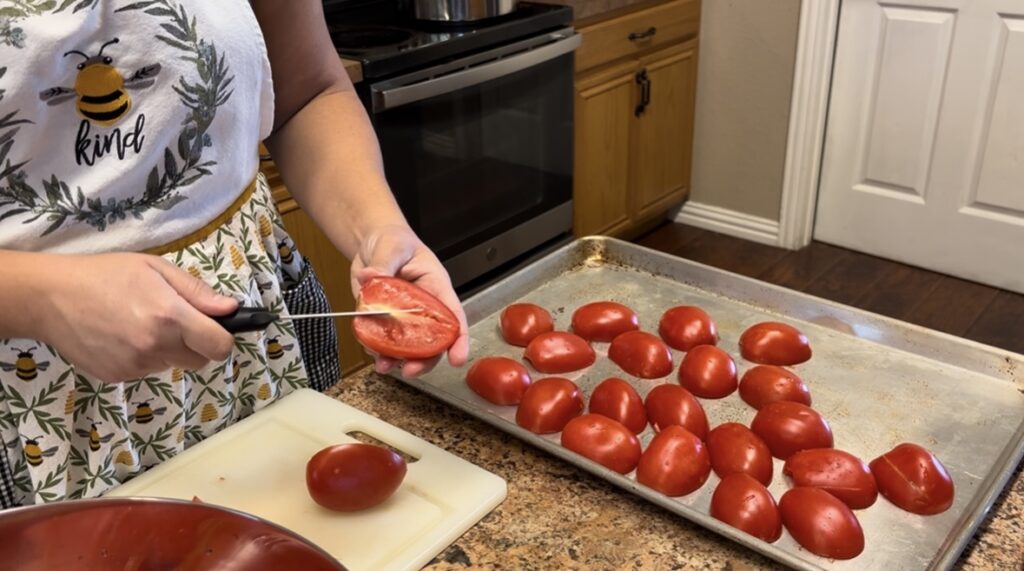
2. Cut and Core: On a chopping board, cut each tomato in half long ways with a small serrated knife. Cut out the small core from both sides.
3. Place on Baking Sheets: Place tomatoes cut side down on baking sheets in single rows, without over-lapping.
4. Broil in the Oven: Turn your oven broiler on high and place your tomato-filled baking sheets on the oven racks. Your oven racks should be in the middle or the bottom to keep the tomatoes from burning. As an added tip, turn your oven light on to keep an eye on your tomatoes.
5. Peeling: Remove the tomatoes from the oven, and using kitchen tongs, carefully remove the skins off the tomatoes. They should slide off fairly easy.
6. Cool and Blend: Once cooled off a bit, blend tomatoes in a blender.
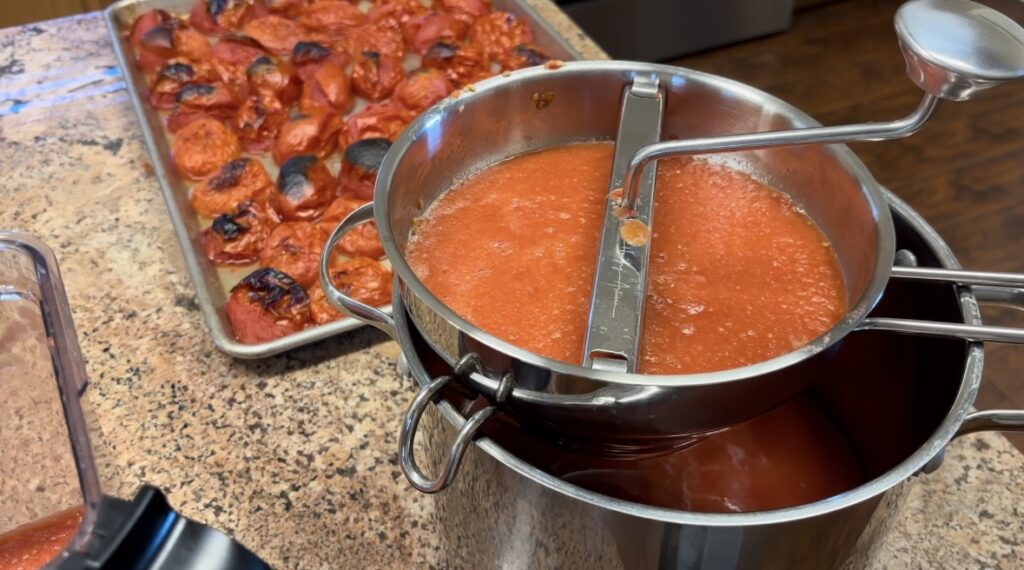
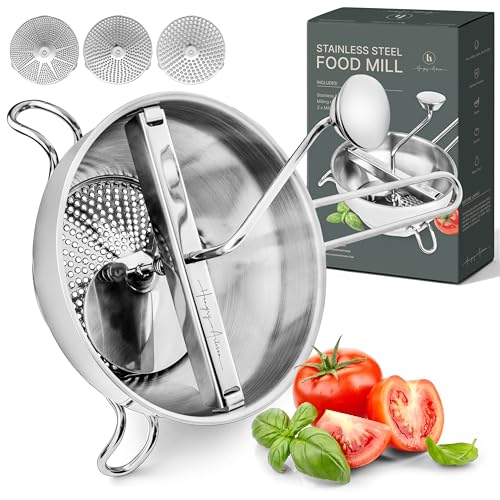
7. Strain or Mill: Using a mill or a strainer, strain the tomato sauce to catch any seeds or leftover peels.
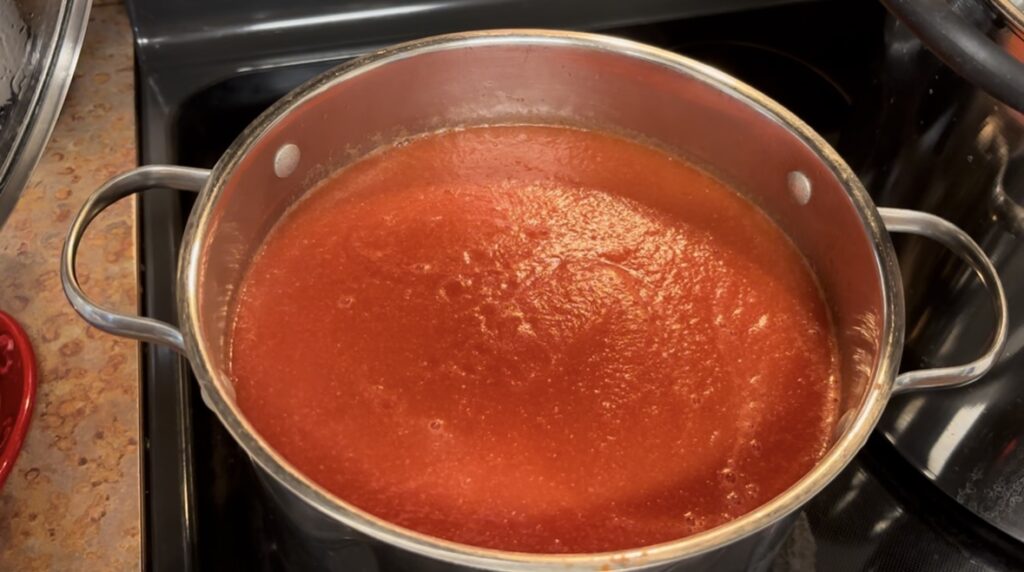
8. Boil the Sauce: In a large pot, heat the sauce over medium to high heat until it reaches boiling point, then lower the heat between low and medium heat, cover and simmer until sauce thickens to desired preference.
Repeat the process with the rest of your tomatoes! Check out the next steps to preserving that beautiful, smooth tomato sauce!
Water Bath Canning Tomato Sauce
Now that your tomatoes are sauced up, let’s can them for later use!
Equipment Needed:
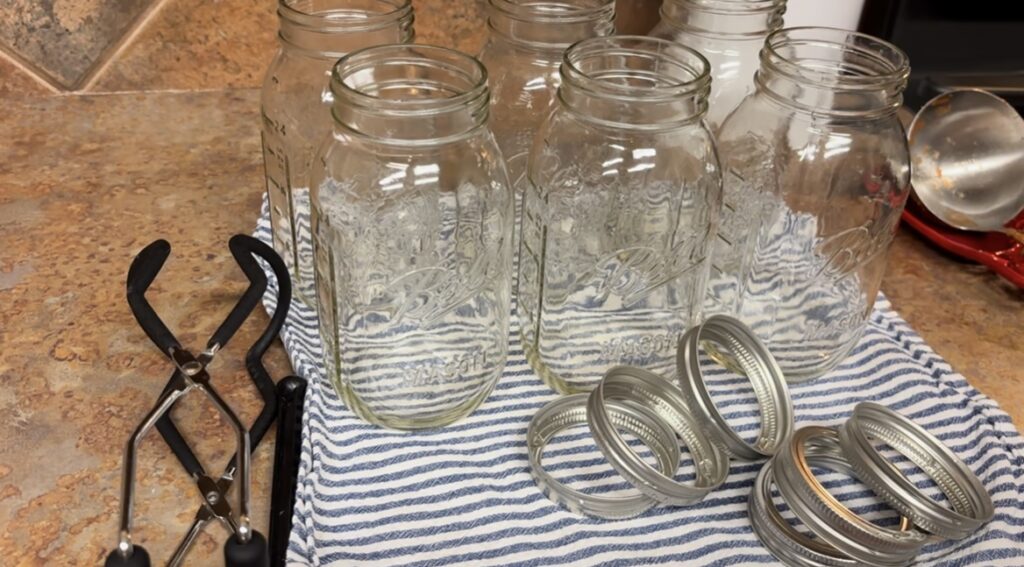
- Canning jars (quart regular mouth or quart wide mouth)
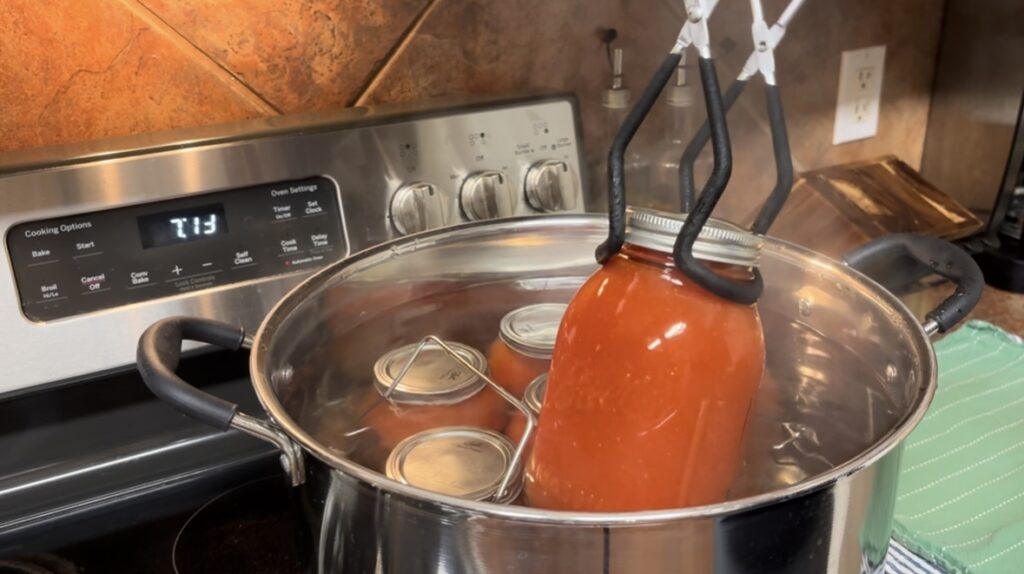
- Jar lifter
- Funnel
- Ladle
- Bubble popper and head space tool
- Magnetic lid lifter
- Clean kitchen cloth
- Water canner
- Blender
- Food mill
- Labels



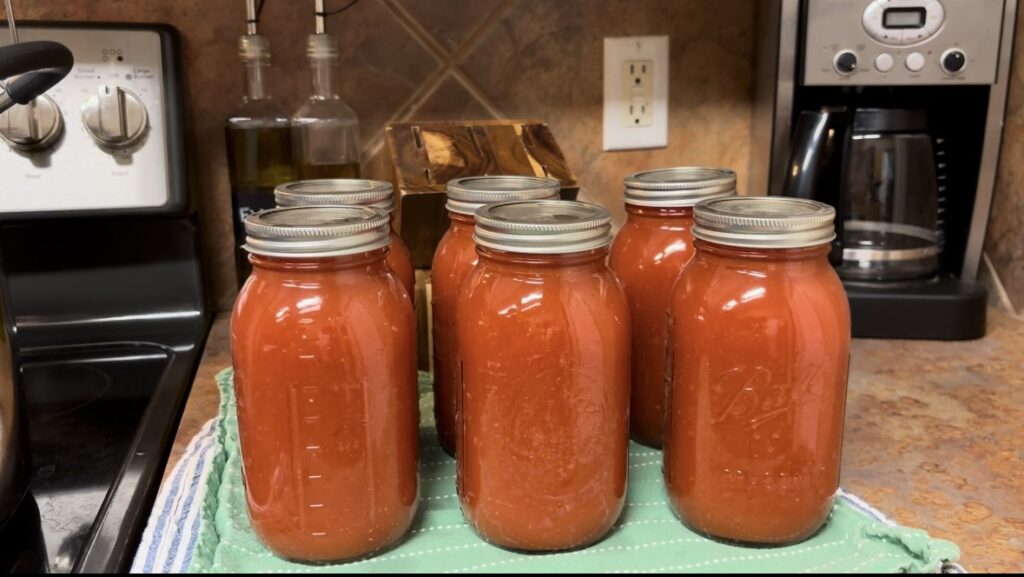
Preserving Your Tomato Sauce
You have several options for preserving your homemade tomato sauce: canning, freezing, or using it in recipes. Here’s how to can it safely:
Canning Process:
1. Prepare Jars: Start by sterilizing all the jars and lids. You can do this by boiling them in water for 10 minutes. Use a jar lifter to carefully take the jars out of the water. Use a small pot to boil the lids and rings separately so you can easily remove them with a magnetic lid holder and place them directly on your jars.
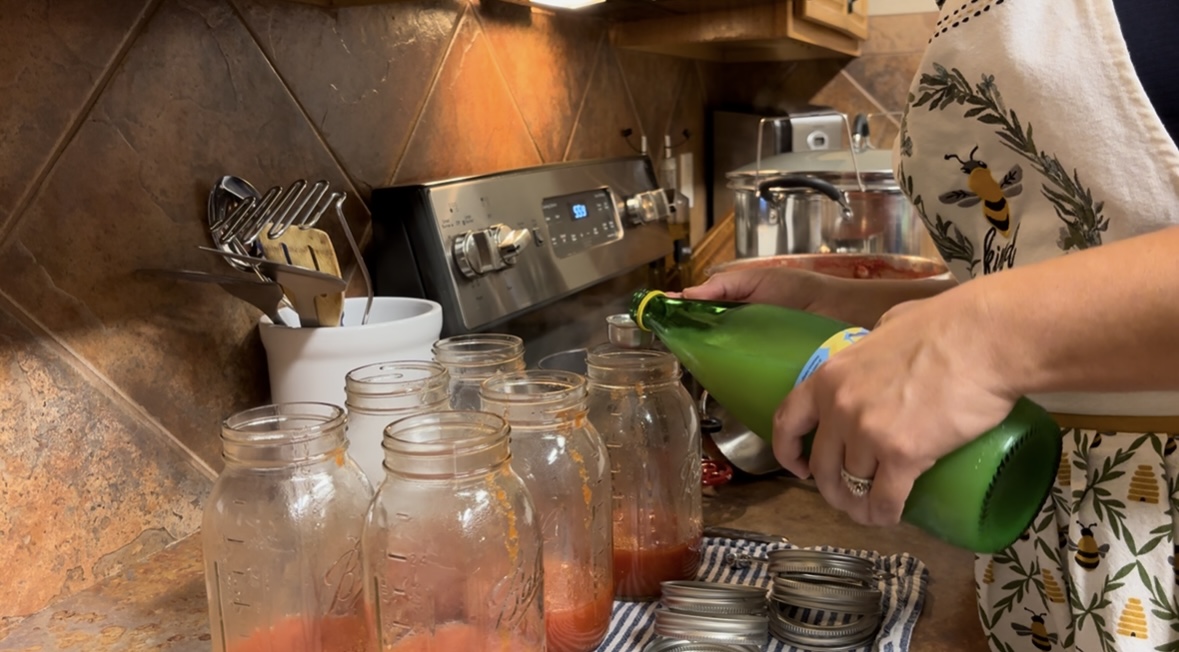
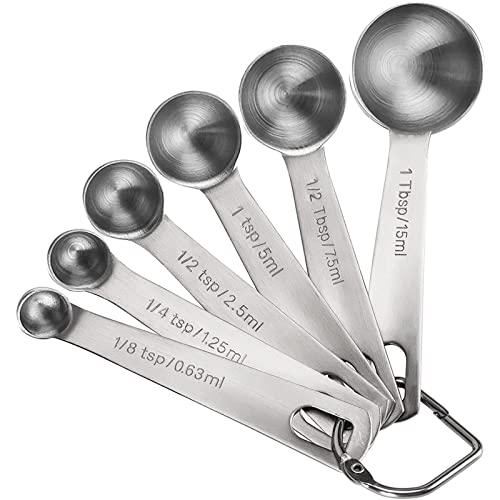
2. Add Lemon Juice and Salt: To each quart jar, add 2 tablespoons of bottled lemon juice and 1 teaspoon of your preferred choice of salt.
3. Fill Jars with Sauce: Using a funnel, ladle the hot sauce into the sterilized jars, leaving a 1/2 inch of headspace. Remove any bubbles in the sauce and measure the headspace to ensure you don’t leave too small or too large of a gap.
4. Seal Jars: Wipe the rims of the jars with a clean kitchen towel or napkin to ensure a tight seal and place the lids on, securing them fingertip-tight with the bands.
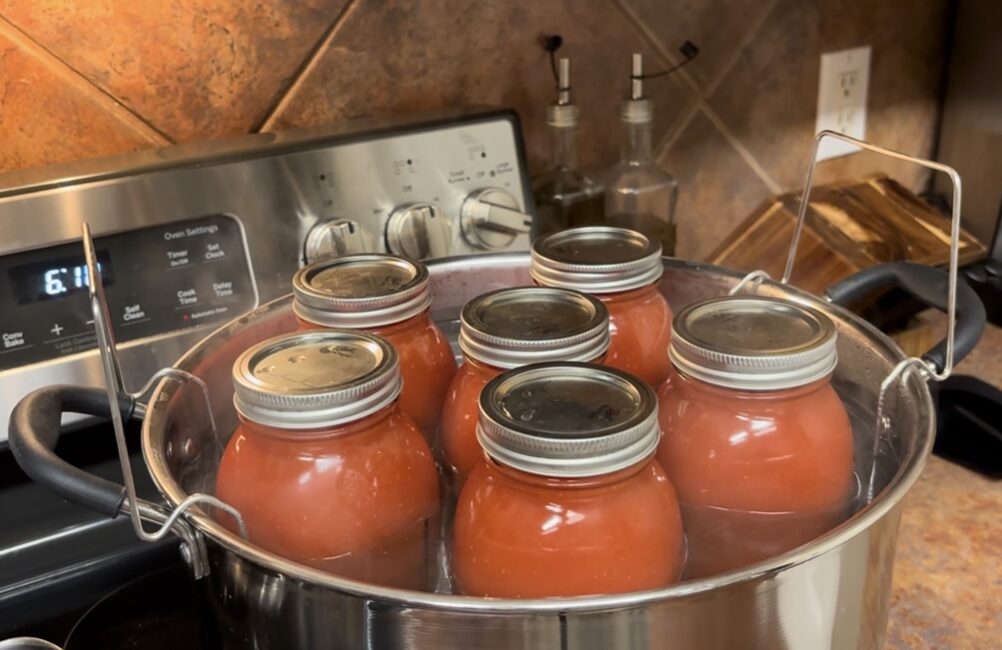
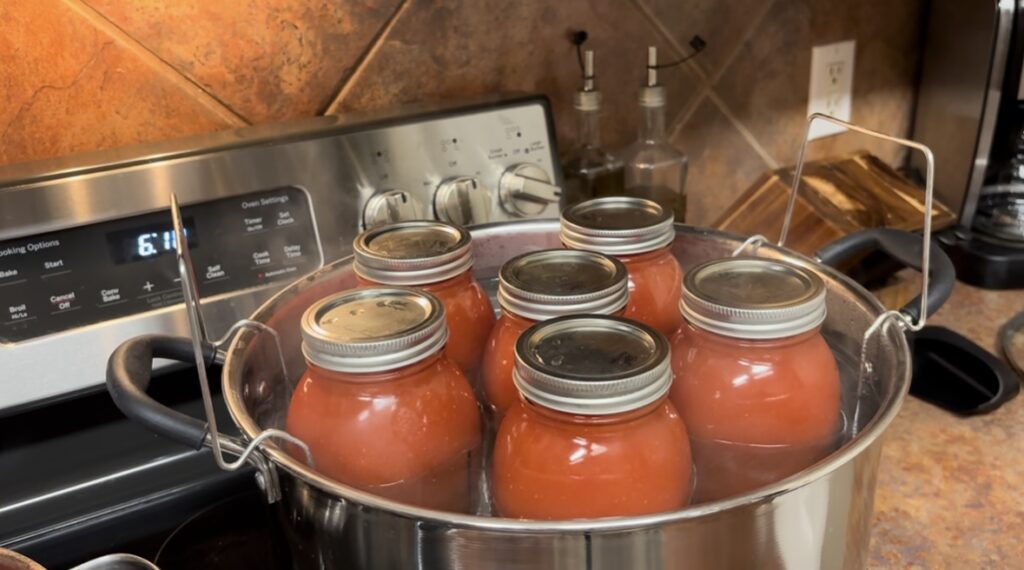
5. Process Jars in Water Bath: Place the jars in your canning pot of hot water. Ensuring they are submerged by at least an inch, bring water to a boil and from that moment process for 40 minutes. If needed adjust timing based on your altitude.
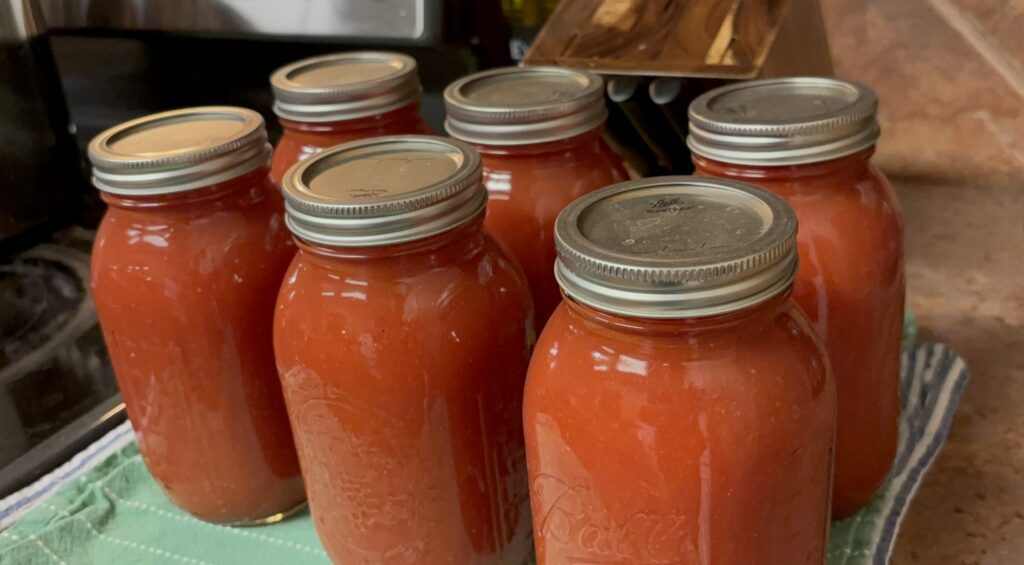
6. Cool and Store: After processing, turn the heat off, remove the canner lid and leave the jars for another 10 minutes before cooling them off on a clean towel. As they cool, you should hear the “pop” sound of the lids sealing. Once cool, check the seals and store unsealed jars in the fridge. Be patient, sometimes, it will take a while for the lids to “pop”.

Freezing Alternative
If canning feels intimidating, freezing is a simpler method. Here’s how to freeze your sauce:
1. Let the Sauce Cool: After cooking, allow the sauce to cool to room temperature.
2. Transfer to Jars: Using your jar funnel, ladle your sauce to wide mouth jars without a shoulder. As your sauce expands, jars with shoulders run the high risk of cracking. Some jars have a freeze line to ensure you leave plenty of head space for the liquid tomato sauce to expand. If there is no freeze line indicated, fill your jars 1/2 inch under the first rim line. You may also use airtight freezer bags or containers. To save space, squeeze excess air out of the bags.
3. Label and Freeze: Label each bag with the date and contents, then freeze. Homemade tomato sauce can last between 6 months to 1 year in the freezer.

Enjoying Your Homemade Tomato Sauce
Once preserved, you can enjoy your homemade tomato sauce in various dishes. Use it for pasta, pizza, lasagna, or as a base for stews and soups. The flavor of your homemade sauce will far surpass anything you find in a store!
Enhance your Tomato Sauce
Beyond tomatoes, you’ll want to gather the following ingredients to enhance your sauce’s flavor for your next meal:
- Onions: Adds sweetness and depth.
- Garlic: For a fragrant, earthy taste.
- Olive Oil: Helps to sauté the onions and garlic.
- Herbs: Fresh or dried basil, oregano, and thyme are excellent choices.
- Salt and Pepper: Essential for seasoning.
- Sugar: Sometimes needed to balance acidity.
- Butter: Used to add a rich, creamy flavor that balances acidity.
Ingredients:
- 1 quart jar of your fresh tomato sauce
- 1 6 ounce tomato paste
- 1/4 medium sweet onion (diced)
- 1 small garlic clove (minced)
- 1-2 tablespoons of olive oil
- 1-2 teaspoons salt (to taste)
- 1/2-1 teaspoon black pepper (to taste)
- 6-8 tablespoons of unsalted butter
- 2 teaspoons sugar (optional)
- 1 bunch fresh basil, roughly chopped about 1/4 cup
- 1 tablespoon of dried Italian seasoning mix
Method:
1. Sauté Aromatics: In a large pot, heat olive oil over medium heat. Add diced onions and sauté until translucent (about 5-7 minutes). Stir in the minced garlic and cook for an additional minute until fragrant.
2. Add Sauce and Butter: Stir in your tomato sauce, tomato paste and butter. Whisk to incorporate and bring the mixture to a simmer.
3. Seasoning: Add salt, pepper, sugar (if using), fresh basil, and Italian seasoning. Let the sauce simmer on the lowest heat, covered for 30 minutes to 1 hour depending on how long you want your flavors to marry. Slow cooking allows the flavors to come together and the sauce to thicken even further. Stir occasionally.
4. Taste and Adjust: After simmering, taste your sauce and adjust the seasonings if needed.
Conclusion
Homemaking your own tomato sauce and preserving it can be a joyful experience. Not only do you end up with a delicious product, but you also get to enjoy the richness of your work throughout the year. Whether you choose to can or freeze your sauce, the reward of savoring those summer flavors during the colder months is certainly worth the effort. So gather your ingredients, roll up your sleeves, and start your homemade tomato sauce adventure today!