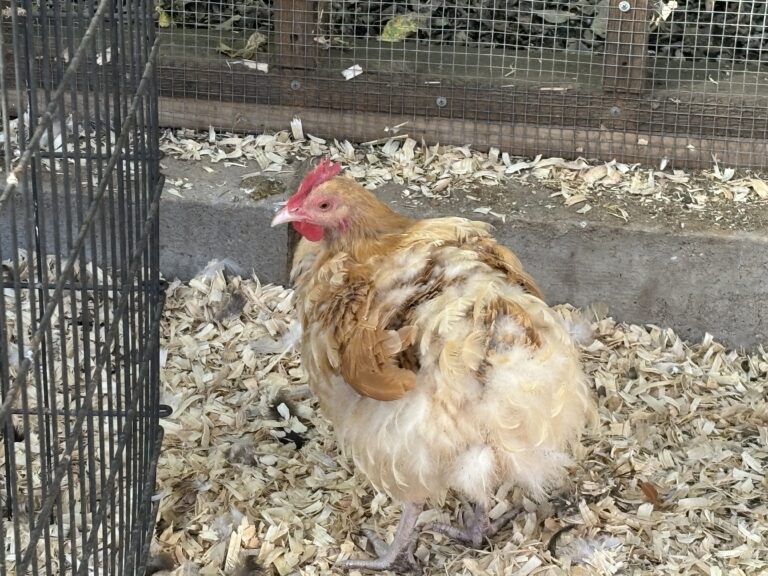

Creating a comfortable and healthy environment for chickens is crucial for their well-being and productivity. One significant aspect of poultry care is choosing the right bedding. The type of bedding you select can impact not only the comfort of your flock but also their health and the time you need to reserve for keeping up with of their living area. In this blog post, we will explore various chicken bedding options, highlighting their pros and cons to help you make an informed choice that will help you either make it or break it.
Purchasing items through the links provided in my blog is a way to help me earn a small commission at no extra cost to you. Thank you so much for your interest and support! See the full disclosure here!
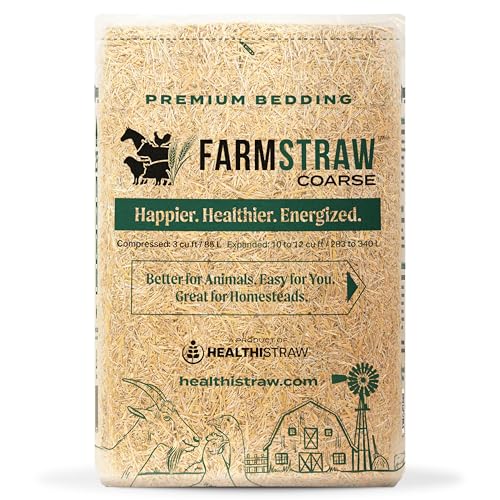
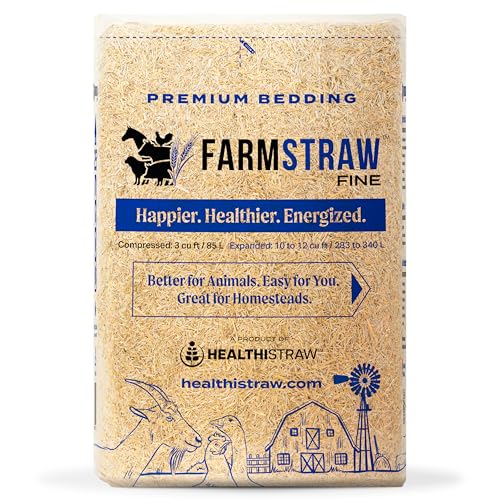
Straw
Pros
Absorbency: Straw is highly absorbent, effectively soaking up moisture and preventing a damp environment, which can lead to health problems.
Insulation: It offers good insulation, helping to keep chickens warm in winter.
Natural Pesticide: Straw can act as a deterrent against pests and parasites due to its rough texture and fibrous nature.
Cons
Dusty: Straw can be dusty, which may lead to respiratory issues for both chickens and caretakers.
Breaking Down: Over time, straw breaks down, requiring regular replacement to maintain a clean environment.
Mold Growth: If the straw gets wet and is not changed promptly, it can develop mold, which is harmful to chickens.
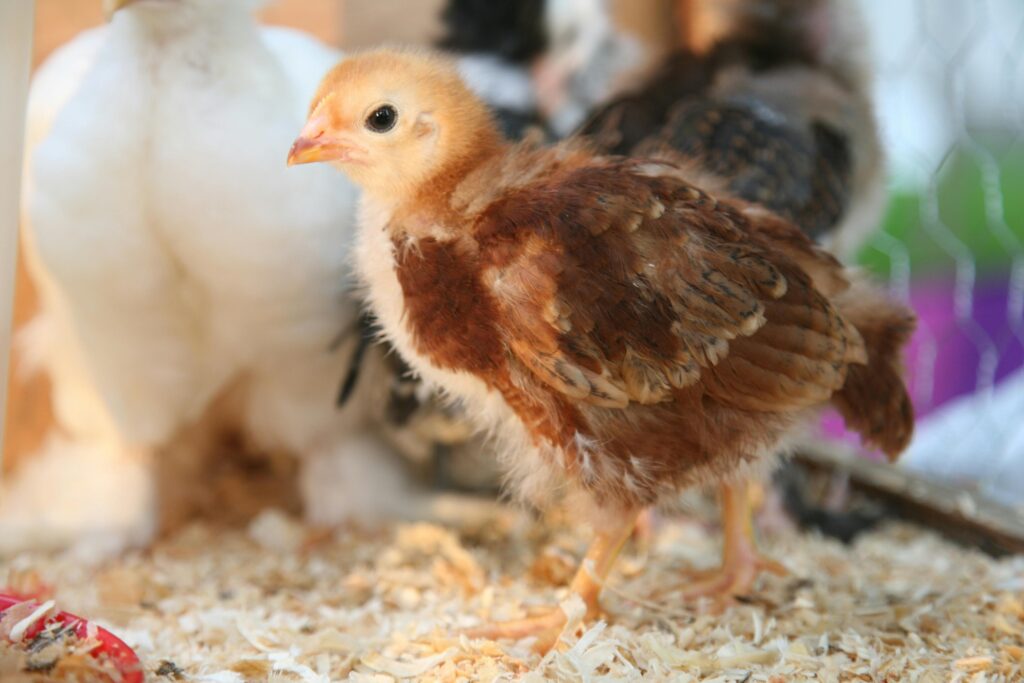
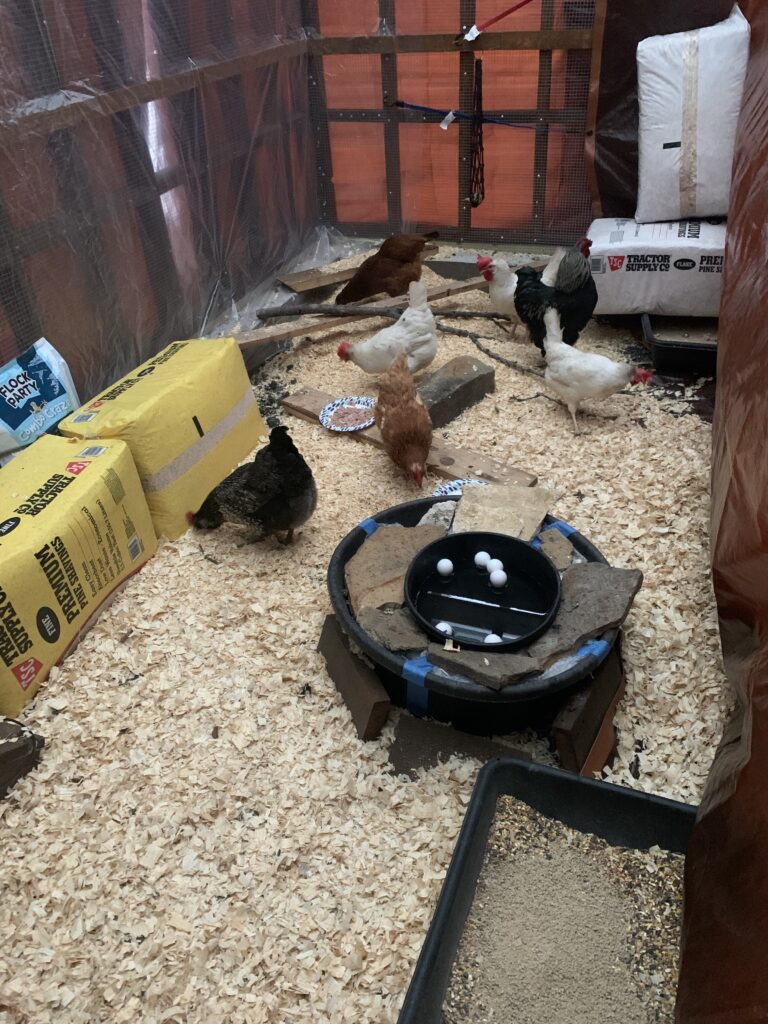
Wood Shavings
Pros
Absorbency: Wood shavings are highly absorbent, making them excellent for soaking up moisture and controlling odors.
Softness: They provide a soft surface for chickens, promoting comfort as they walk around and sit.
Low Dust: Compared to straw, many wood shavings produce less dust, reducing respiratory issues.
Cons
Cost: They can be more expensive than other bedding options, depending on the type and source of the wood shavings.
Nutritional Deficiencies: Ingesting large amounts of wood shavings can lead to nutritional deficiencies if chickens consume them excessively.
Splinters: Some types of wood shavings may have splinters that can injure the chickens.


Pine Needles
Pros
Natural Repellent: Pine needles have a pleasant scent and can repel certain pests due to their natural oils.
Good Drainage: They allow for excellent drainage while retaining some moisture, keeping the coop dry.
Durability: Pine needles last longer than straw and often require less frequent changing.
Cons
Messy: They can be messier than other bedding options as they tend to get scattered around easily.
Acidic Nature: Pine needles are slightly acidic, which can be detrimental to the chickens if they ingest large quantities.
Limited Availability: Depending on your region, pine needles may not be readily available as a bedding option.
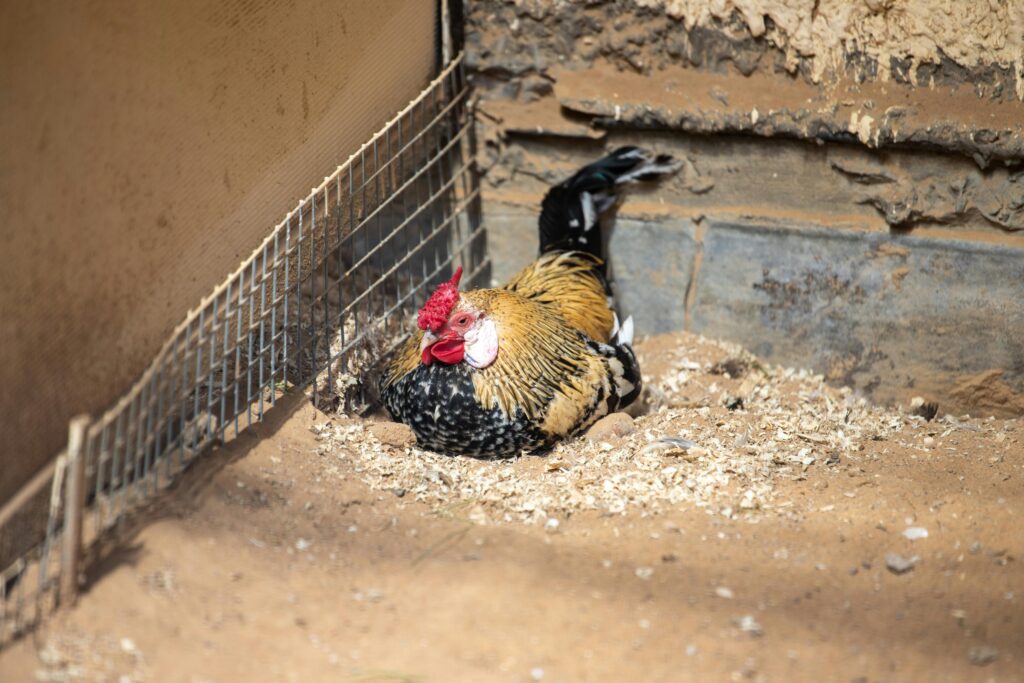
Sand
Pros
Dust Bath: Chickens love to take dust baths, and sand provides an excellent medium for this natural behavior.
Odor Control: Sand does not retain moisture, helping to control odors in the coop.
Easy to Clean: Maintaining a sand bedding is relatively easy since it can be raked and cleaned without much hassle.
Cons
Lack of Insulation: Sand does not provide insulation, which can be a concern in colder climates.
Weight: Sand can become quite heavy when wet, making it cumbersome for cleaning and maintenance.
Expense: Depending on your location, sand can be more expensive than traditional bedding options like straw or wood shavings.
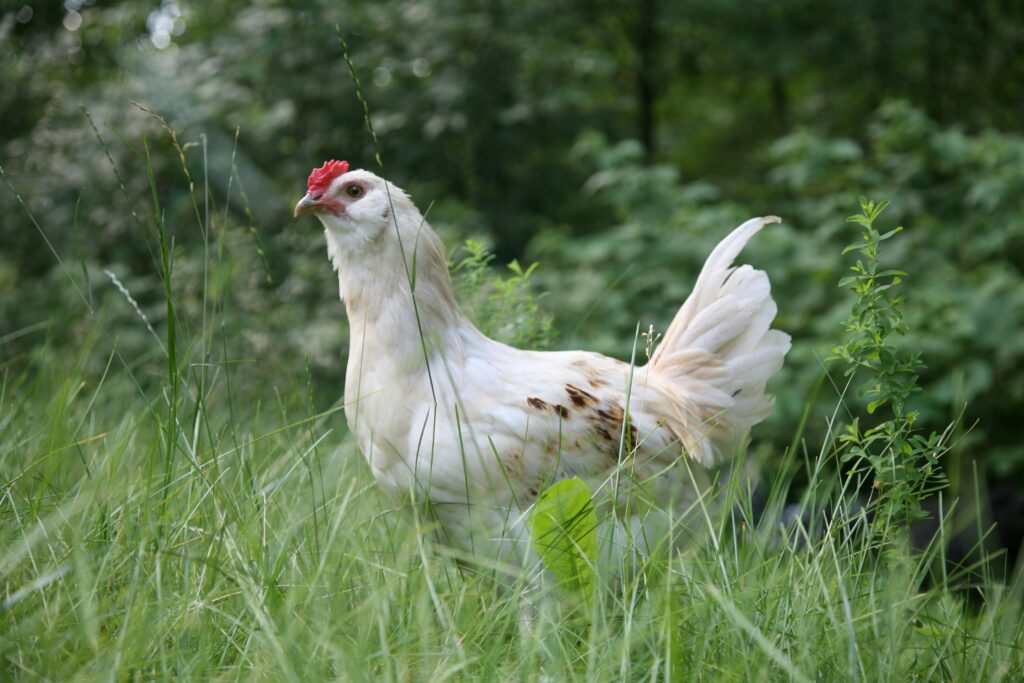
Grass Clipping
Pros
Eco-Friendly: Utilizing grass clippings is an excellent way to recycle waste from your yard while providing bedding for your chickens.
Nutritional Value: Decomposing grass clippings can offer nutritional benefits if the chickens peck at them.
Natural Materials: They are a natural bedding option, minimizing chemical exposure to your flock.
Cons
Rapid Decomposition: Grass clippings break down quickly, becoming slippery and creating a muddy environment if not changed frequently.
Weed Seeds: Fresh clippings may contain weed seeds, which might germinate and create issues in or around your coop.
Dampness: If the clippings are wet when used, they can lead to mold and odors more rapidly than other bedding types.
Hemp Bedding
Pros
Highly Absorbent: Hemp is highly absorbent and controls moisture effectively, keeping the coop dry.
Natural: It’s a natural, renewable resource with minimal chemicals.
Odor Control: Hemp bedding has excellent odor-absorbing properties, keeping the coop smelling fresh.
Cons
Cost: Hemp bedding can be more expensive than traditional options like straw or wood shavings.
Limited Availability: Depending on your location, it may not be as accessible as other types of bedding.
Lightweight: Being lighter than some bedding choices, it can scatter and become messy if disturbed by the hens.

![[33lbs] OverEZ Hemp Chicken Bedding - Made from 100% Natural Hemp - Super Absorbent, Eco-Friendly, Eggcellent Odor Control, and Dust Free](https://m.media-amazon.com/images/I/41LoUYw5KdL._SL500_.jpg)
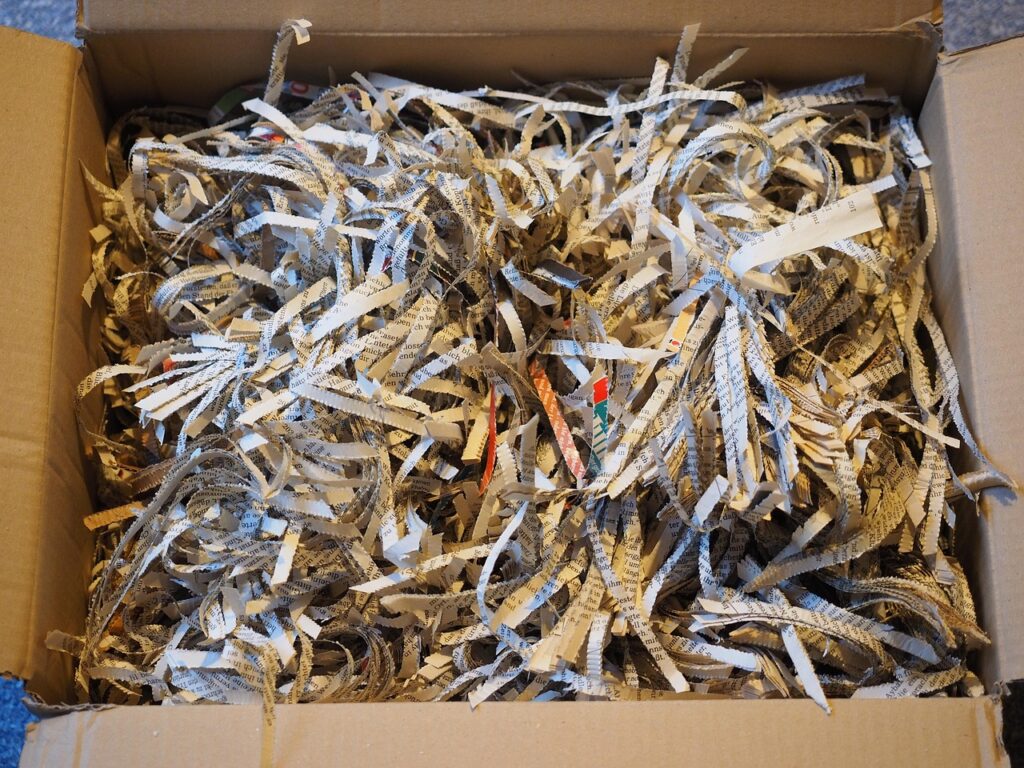
Recycled Paper Bedding
Pros
Highly Absorbent: Recycled paper bedding is highly absorbent and helps control moisture levels effectively.
Soft and Comfortable: It provides a soft surface, making it comfortable for chickens.
Eco-Friendly: Made from recycled materials, it’s an environmentally conscious choice.
Cons
Decomposition Rate: It may break down faster than other bedding options, requiring frequent replacement.
Cost: Quality recycled paper bedding might be slightly more expensive than straw or wood shavings.
Potential Dust Issues: Depending on the processing of the paper, dust could still be an issue.
Choosing the Right Bedding
When considering which bedding option to use for your chickens, think about your climate, budget, how often you can clean the coop, and how comfortable you want to make your hens.

Climate
In colder climates, you may want bedding that provides insulation, such as straw or wood shavings.
Warmer climates might benefit from materials that keep the area cooler and dry, such as sand or recycled paper.
Budget
Some bedding materials may be cheaper upfront but require more frequent changes, while others may be pricier but last longer. Factor in initial purchase costs and ongoing maintenance costs when selecting.

Cleanliness & Maintenance
Regular coop cleaning is vital to maintaining chicken health. Choose a bedding type that fits your schedule for cleaning and allows you to keep the living space hygienic without too much hassle.
Comfort & Health
Chickens can be sensitive, so bedding choices that prevent stress or injury are essential. Look for bedding that keeps the coop dry, minimizes dust, and feels comfortable underfoot.
Final Thoughts
Choosing the right bedding for your chickens can significantly impact their well-being and productivity. Each option has its advantages and disadvantages, and what works best for one chicken owner may not be ideal for another. By understanding the pros and cons of the various chicken bedding materials, you can select the one that fits your needs, ensures the comfort of your flock, and maintains a healthy living environment.