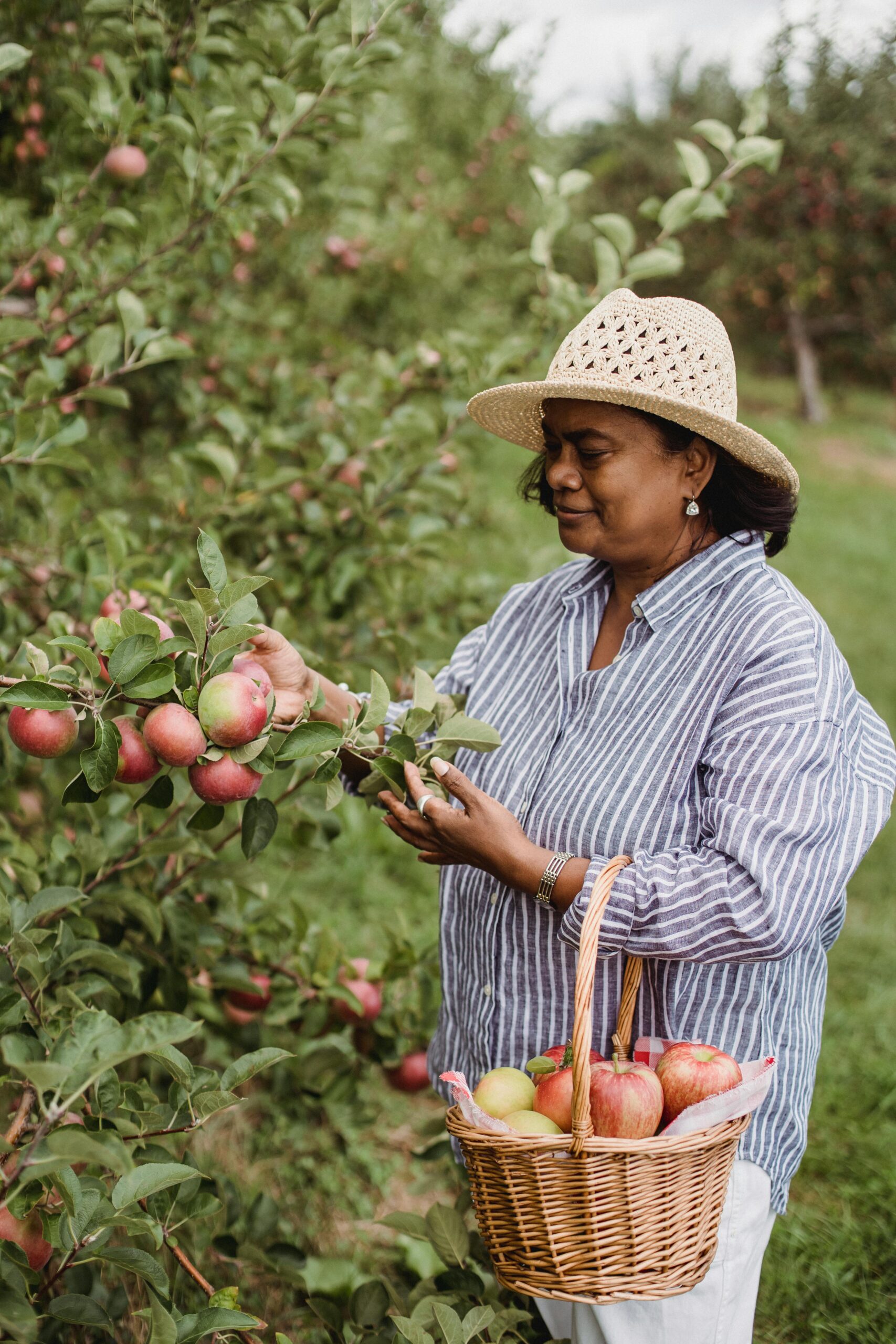
Gardening is not only a hobby but also a way to cultivate beauty and sustenance. However, spending long hours under the sun can pose serious health risks, such as sunburn, heat exhaustion, and, in the long term, skin cancer. Protecting yourself from the sun while working in the garden should be a priority for any gardening enthusiast. In this blog post, we’ll explore practical tips and strategies for staying safe in the sun while enjoying your time outdoors.
Purchasing items through the links provided in my blog is a way to help me earn a small commission at no extra cost to you. Thank you so much for your interest and support! See the full disclosure here!
Understanding Sun Exposure
Before we discuss how to protect yourself, it’s essential to understand what sun exposure entails:
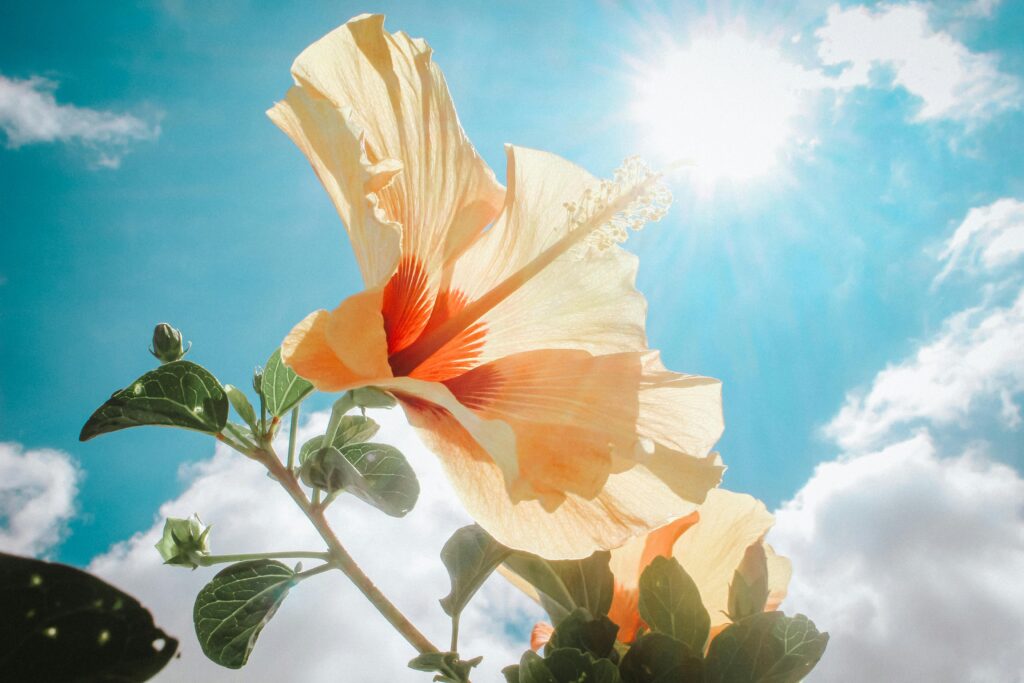
UV Radiation: The sun emits ultraviolet (UV) radiation, which is classified into three types: UVA, UVB, and UVC. While UVC is mostly absorbed by the atmosphere, UVA and UVB rays can penetrate the skin and cause damage. UVA rays contribute to premature aging and can increase cancer risk, while UVB rays are primarily responsible for sunburn.
The UV Index: This is a scale from 0 to 11+ that indicates the strength of UV radiation at a given time in a specific location. The higher the index, the greater the potential for skin damage. You can check your local UV index to plan your gardening activities accordingly.
The Risks of Sun Exposure
Excessive sun exposure can lead to:
- Sunburns: Painful redness and blistering of the skin that can develop within hours.
- Heat Exhaustion: Symptoms include heavy sweating, weakness, dizziness, nausea, and headache. In extreme cases, heat stroke can occur, which is a medical emergency.
- Skin Cancer: Both melanoma and non-melanoma skin cancers can result from heavy UV exposure over the years.
- Eye Damage: UV rays can harm your eyes, leading to cataracts and other vision problems.
Strategies for Sun Protection
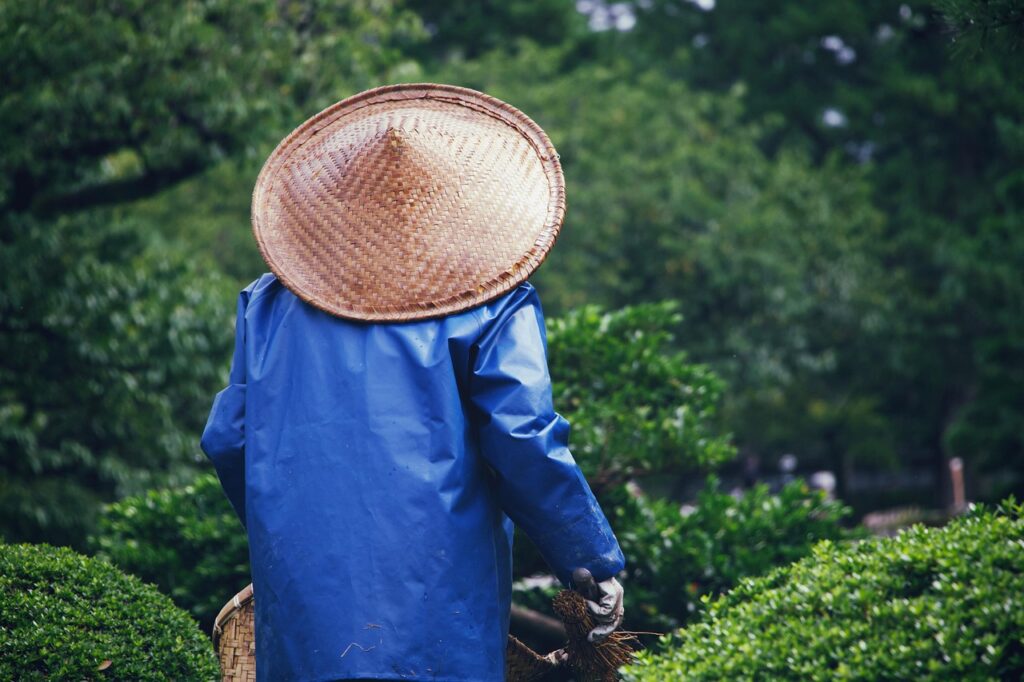
Clothing Choice
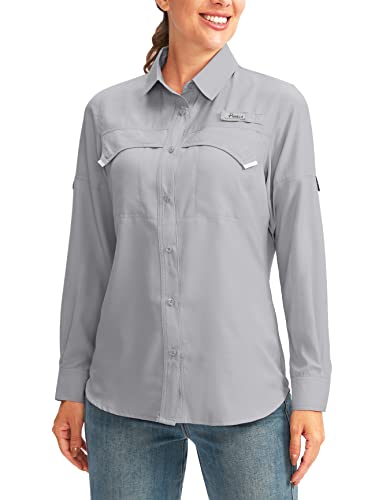
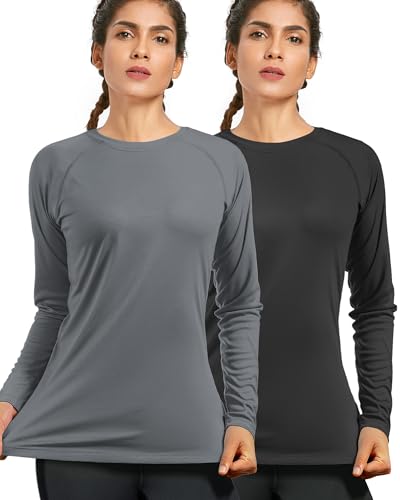
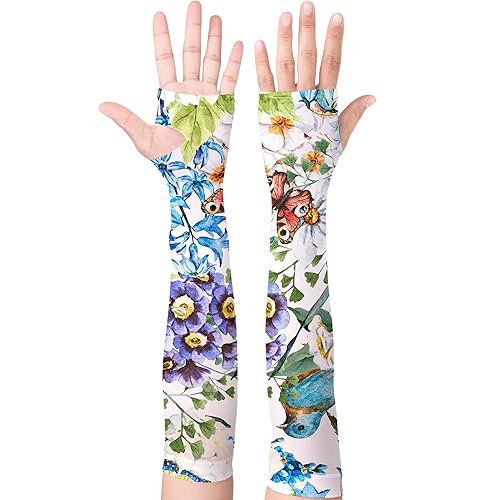
Cover Up: Wearing protective clothing is one of the most effective ways to shield your skin from UV rays. Here are some tips:
Long-Sleeved Shirts: Opt for tightly woven fabrics that cover your arms. Lightweight and breathable materials like cotton and linen are good choices.


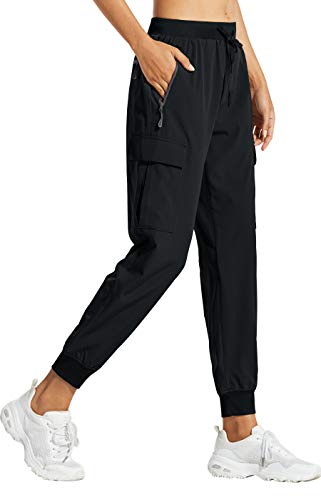
Pants: Choose long pants rather than shorts to protect your legs. Again, lightweight fabrics will keep you cool.


Wide-Brimmed Hats: A hat with a brim of at least 3 inches can protect your face, ears, and neck from direct sunlight. Look for hats made from breathable materials.


UV-Protection Clothing: Some clothing is designed specifically with a UV protection factor (UPF) rating. These garments can offer additional protection.
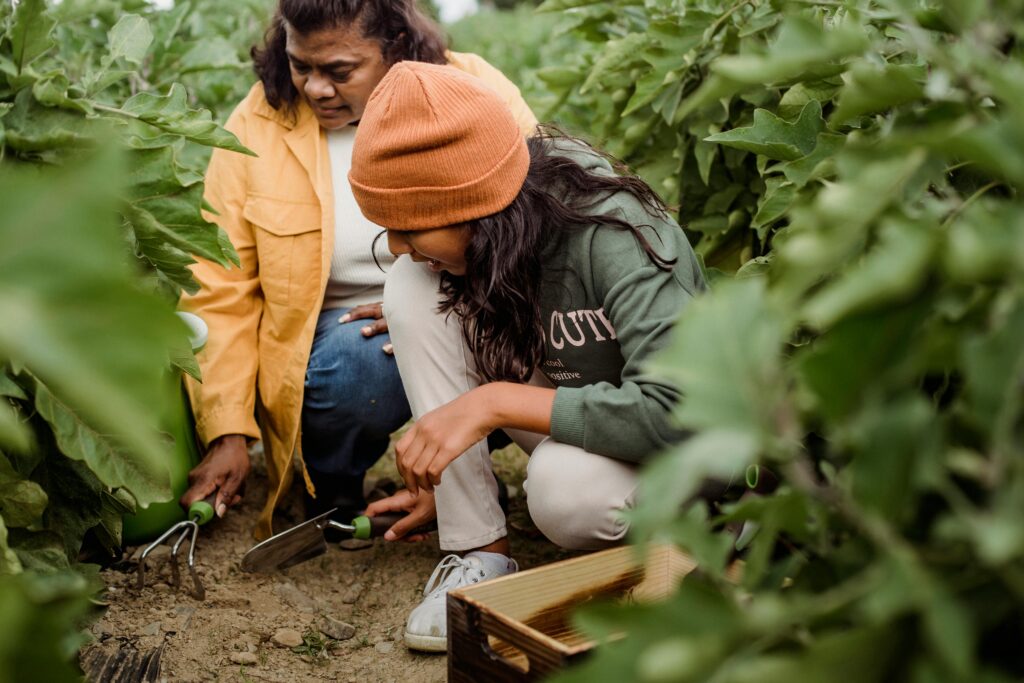
Sunscreen Application
Use Sunscreen Properly: Sunscreen is vital for protecting your skin from UV rays. Here’s how to use it effectively:
Select the Right Sunscreen: Choose a broad-spectrum sunscreen with an SPF of at least 30. Make sure it protects against both UVA and UVB rays.
Apply Generously: Apply sunscreen generously to all exposed skin at least 15 minutes before sun exposure. Don’t forget often-missed areas like the tops of your feet, ears, and the back of your neck.
Reapply Regularly: Sunscreen should be reapplied at least every two hours, or more often if you’re sweating or swimming.


Timing Your Gardening Sessions
Gardening Hours: The sun’s intensity varies throughout the day. For optimal safety:
Avoid Peak Sun Hours: The sun is strongest between 10 a.m. and 4 p.m. Try to garden early in the morning or later in the afternoon to minimize exposure.
Seek Shade
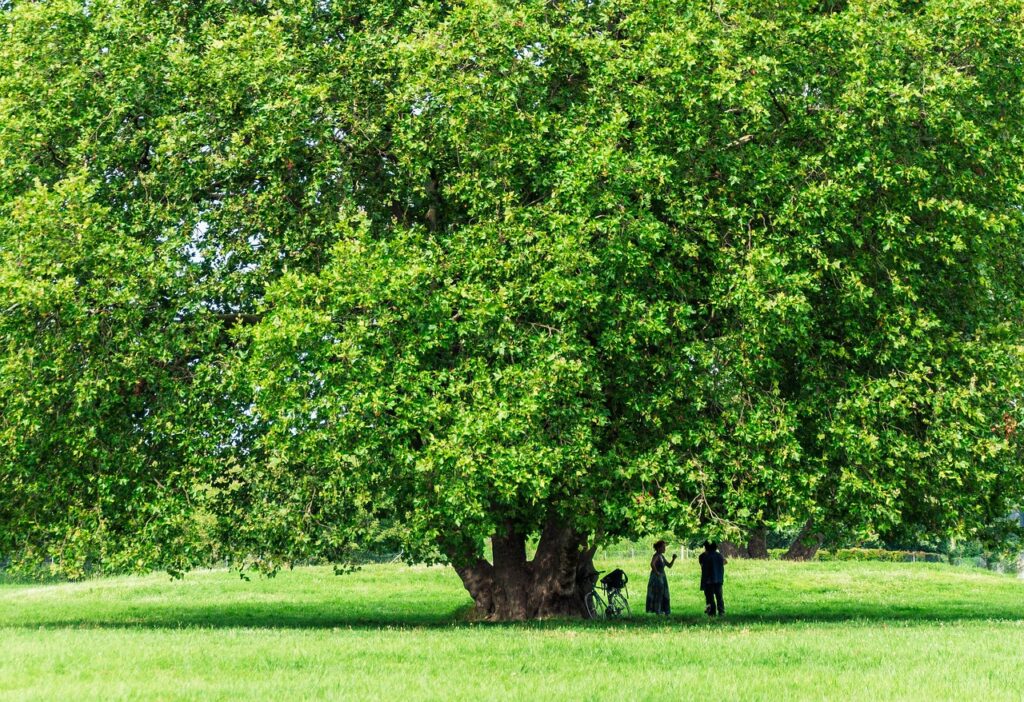
Create Your Own Shade: If you need to work during peak sun hours, invest in some tools to create shade:
Shade Structures: Use a portable canopy, umbrella, or even a shade cloth to create a shaded workspace in your garden.
Natural Shade: Plant trees or install trellises with climbing plants to generate natural shade over time.


Hydration is Key
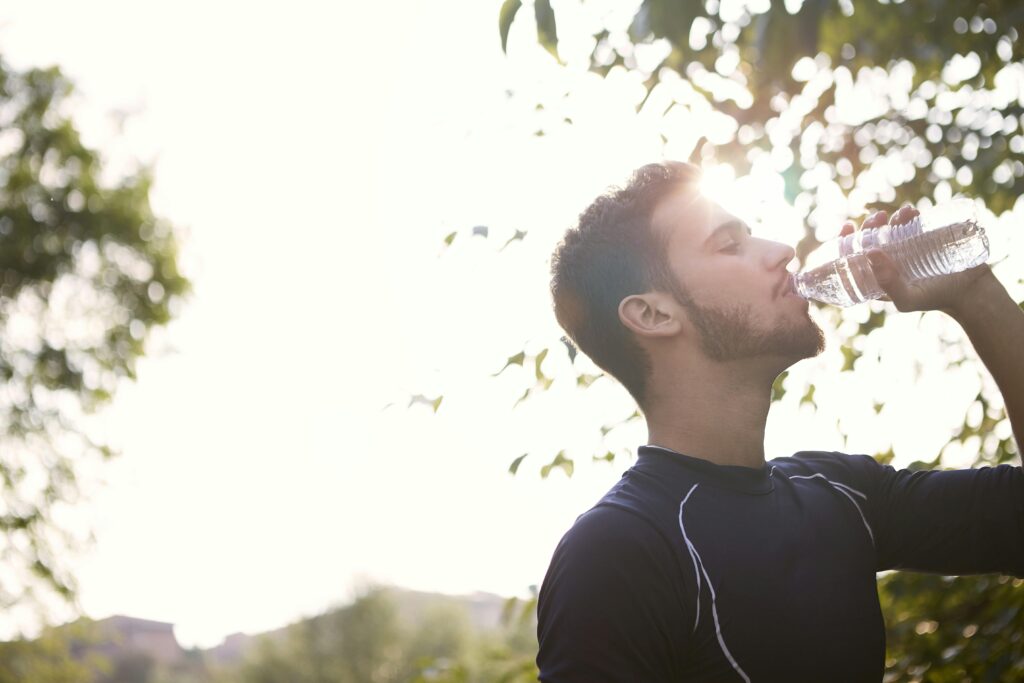
Stay Hydrated: Dehydration can make you more susceptible to sun-related illnesses. Strategies include:
Drink Plenty of Water: Always have water available and drink regularly. If you’re gardening for long periods, consider taking breaks every 30 to 60 minutes.
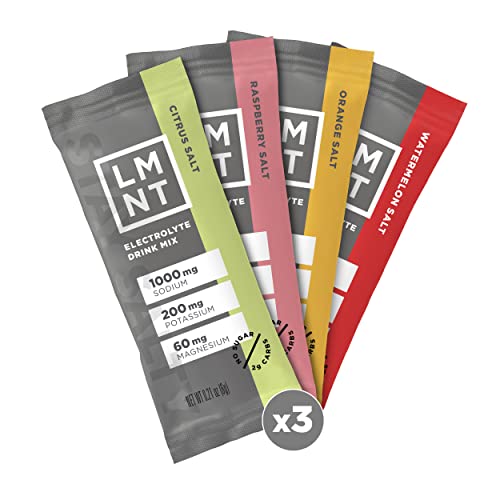
Electrolyte Drinks: During particularly hot days, balance hydration with drinks that replace lost electrolytes.


Wear Protective Gear
Safety First: In addition to clothing, consider other protective gear:
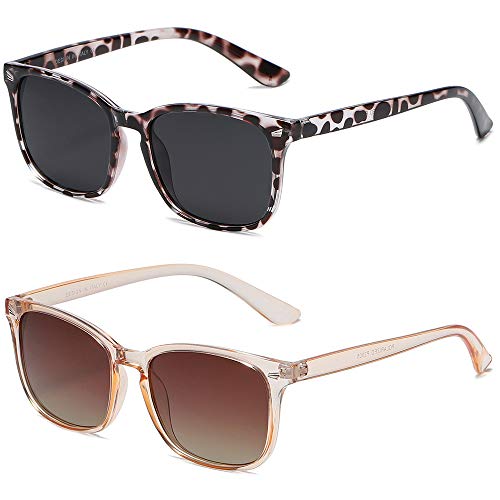
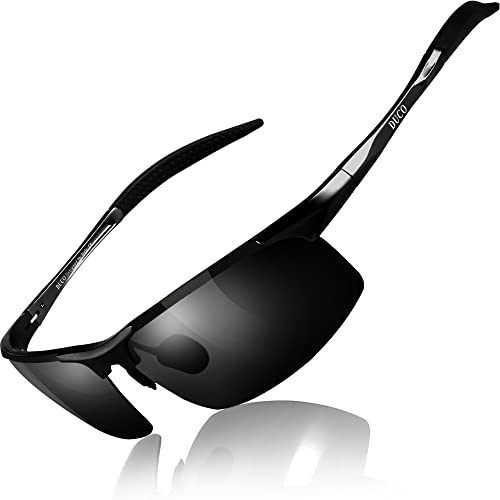
Sunglasses: Choose sunglasses with UV protection to shield your eyes from harmful rays. Look for labels that indicate they block 100% of UVA and UVB rays.


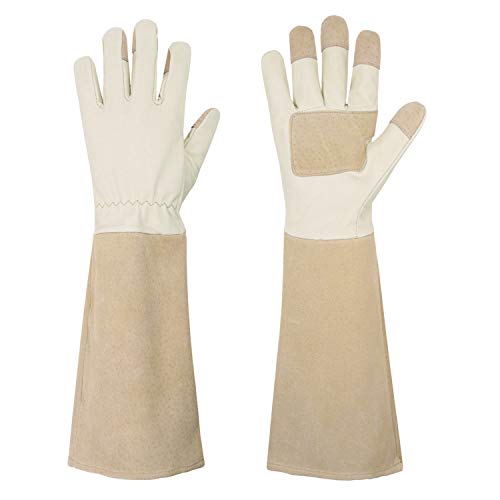
Gardening Gloves: While their primary function is to protect your hands from thorns and dirt, they also provide some protection from sunburn.


Be Skin Aware
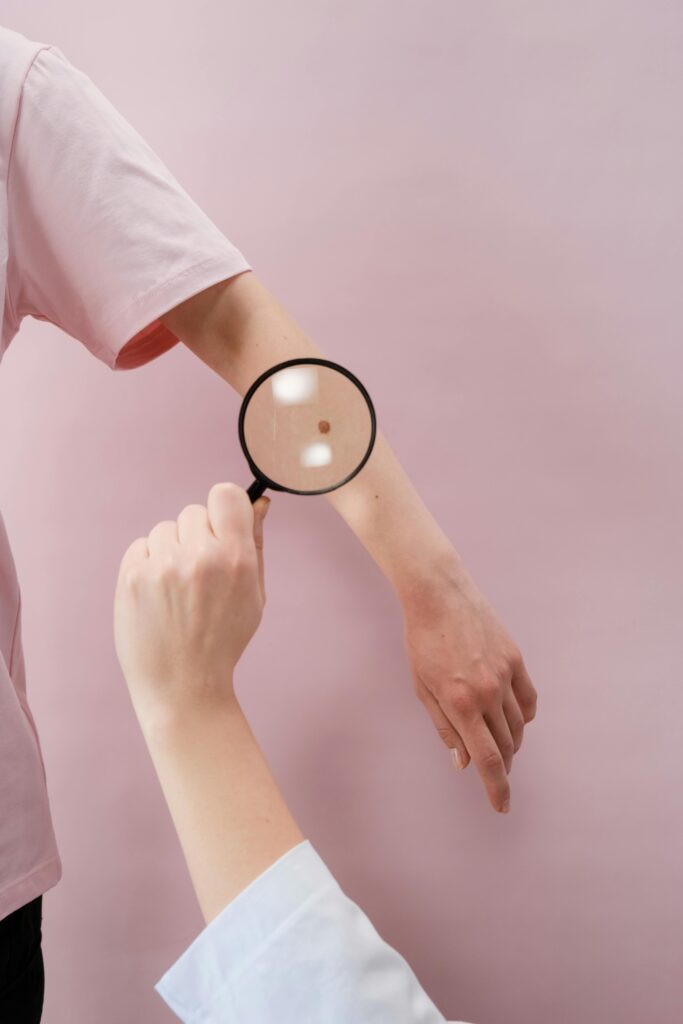
Monitor Your Skin: Regularly check your skin for any changes, such as new moles or spots. Early detection is key to successfully treating skin cancer.
Self-Exams: Perform self-exams monthly to identify any changes in existing moles or new growths.
Regular Dermatologist Visits: Schedule yearly check-ups with a dermatologist, especially if you have a history of sunburns or skin cancer.
Educate Yourself and Others
Spread Awareness: Share your knowledge about sun safety with fellow gardeners, friends, and family. Consider the following:
Community Workshops: Host a workshop or a discussion group on sun safety within your local gardening community.
Social Media: Use platforms to raise awareness about sun safety tips and personal stories regarding sun damage.
Use Garden Tools Wisely
Ergonomic Tools: Efficient use of tools can limit the time you spend in direct sunlight. For instance:
Use Long-Handled Tools: They allow you to work without bending over too much, helping you avoid unnecessary sun exposure.
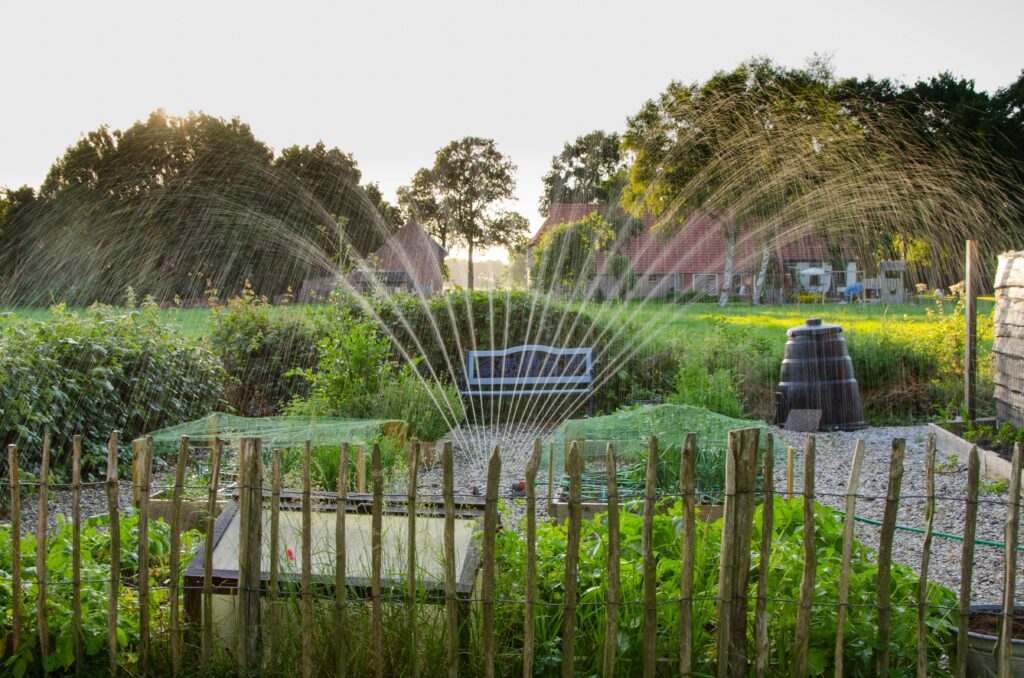
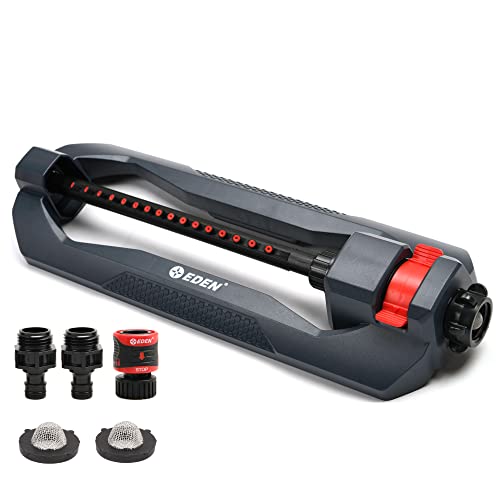
Automate When Possible: Consider using drip irrigation or other automated systems to reduce time spent managing water in the garden.


Listen to Your Body
Body Signals: While gardening, pay attention to how you feel:
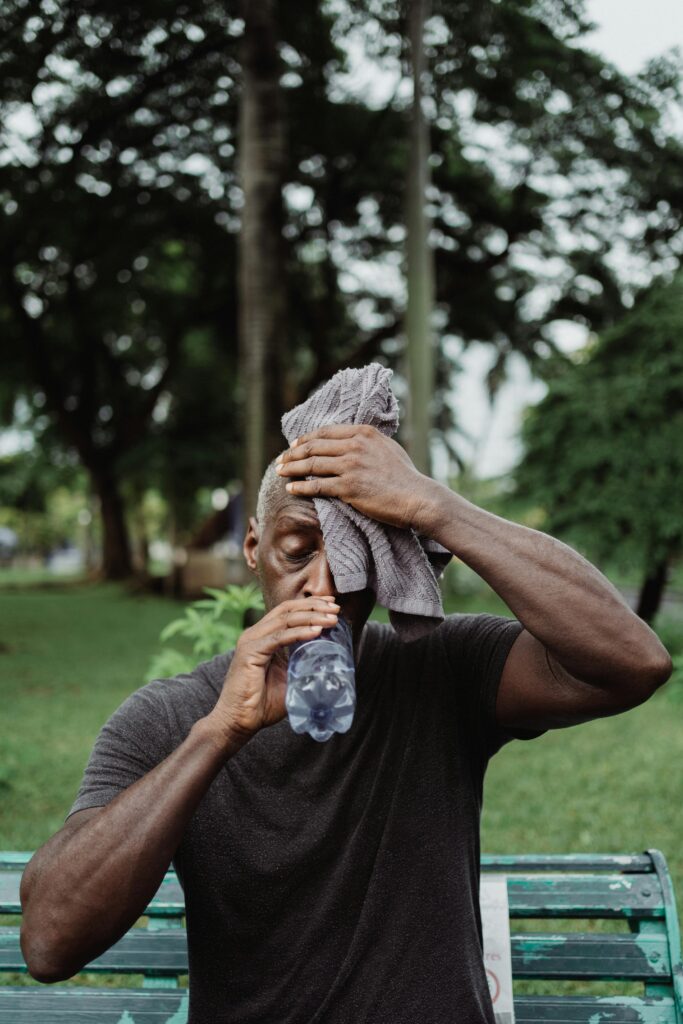
Take Breaks: If you start feeling dizzy, overheated, or fatigued, take a break in the shade, hydrate, and cool down.
Know Your Limits: Trust your body and don’t push yourself too hard; health comes first.
Final Thoughts
Gardening is a rewarding activity that allows you to connect with nature, but it is essential to protect yourself from the sun’s harmful effects. By wearing protective clothing and sunscreen, timing your gardening schedule wisely, staying hydrated, and remaining aware of your skin health, you can create a safer gardening experience. Enjoy your gardening journey while staying sun-smart—after all, a healthy gardener is a happy gardener!