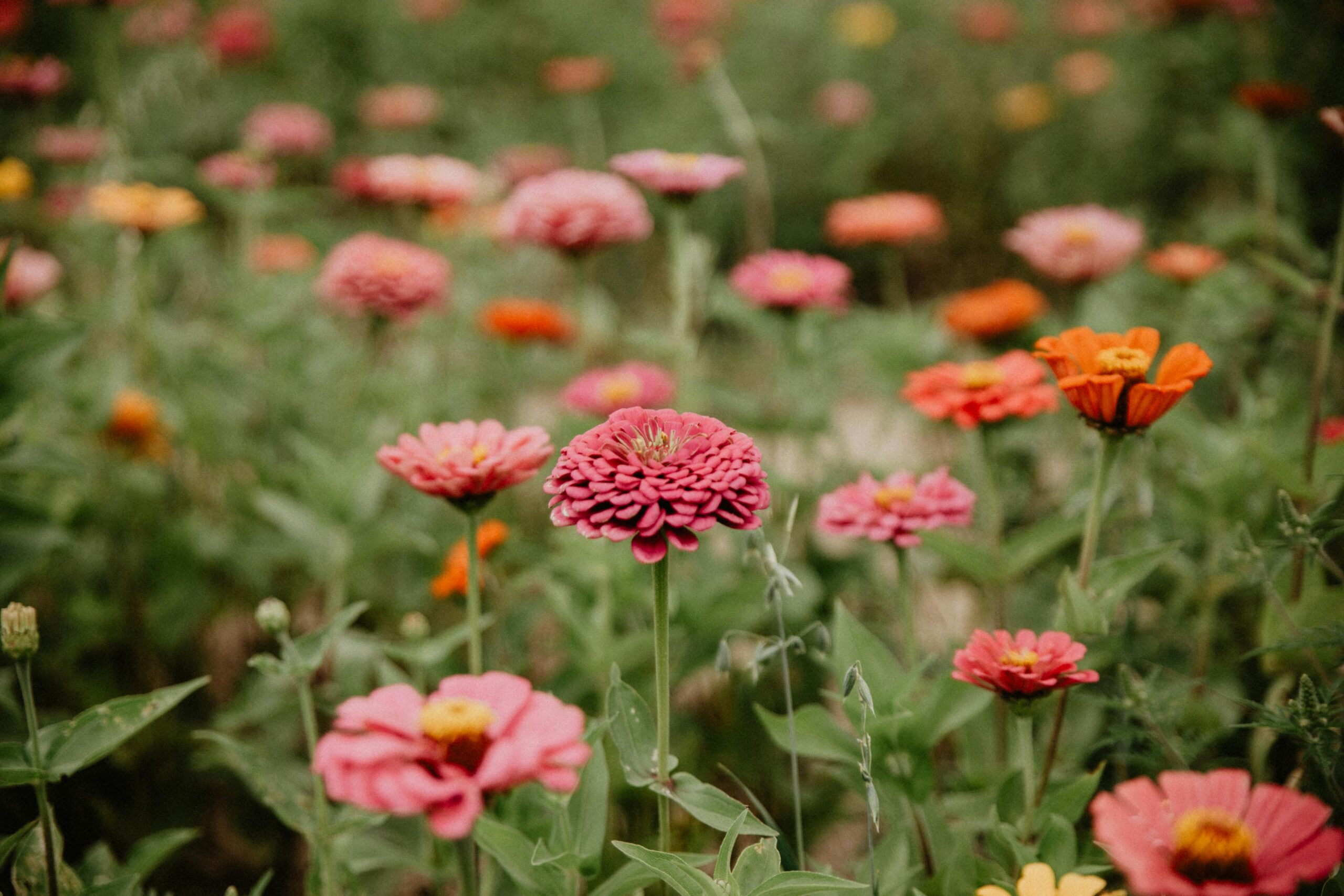
If you’re looking to bring a burst of color and cheer to your garden, look no further than zinnias! These vibrant flowers are not only beautiful but also incredibly easy to grow. In this guide, we’ll dive deep into the world of zinnias, sharing everything you need to know, whether you’re a seasoned gardener or just starting out.
What Are Zinnias?
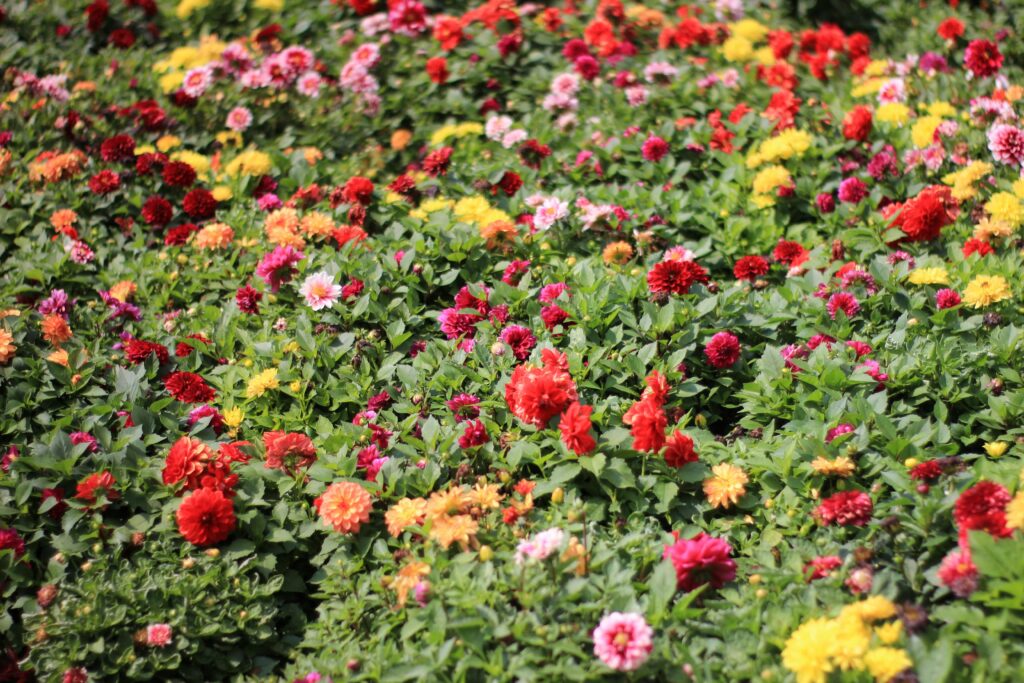
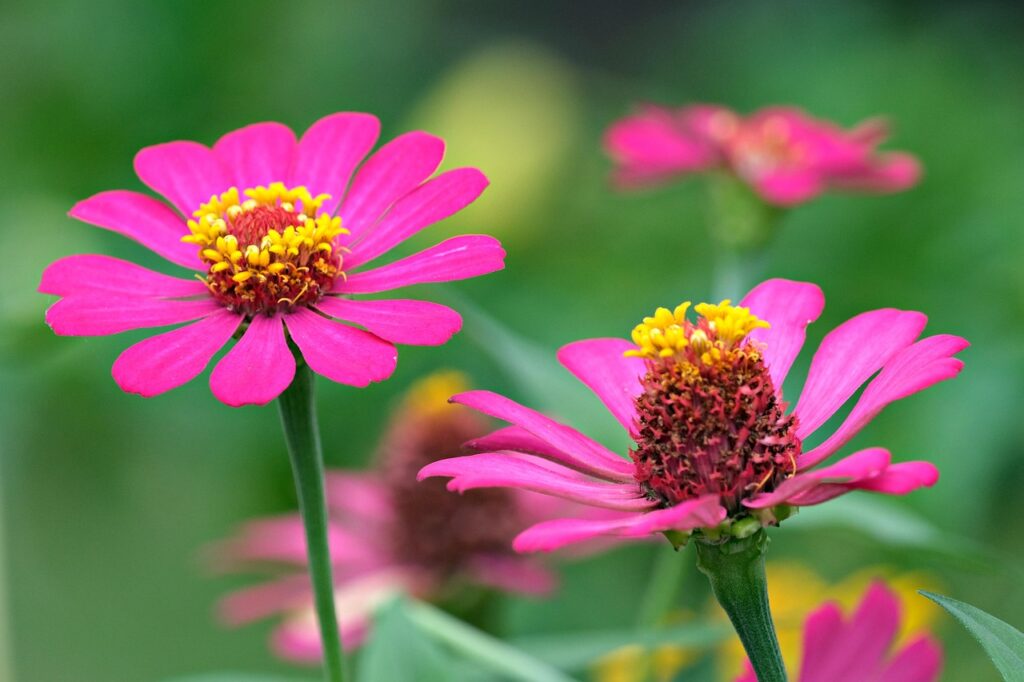
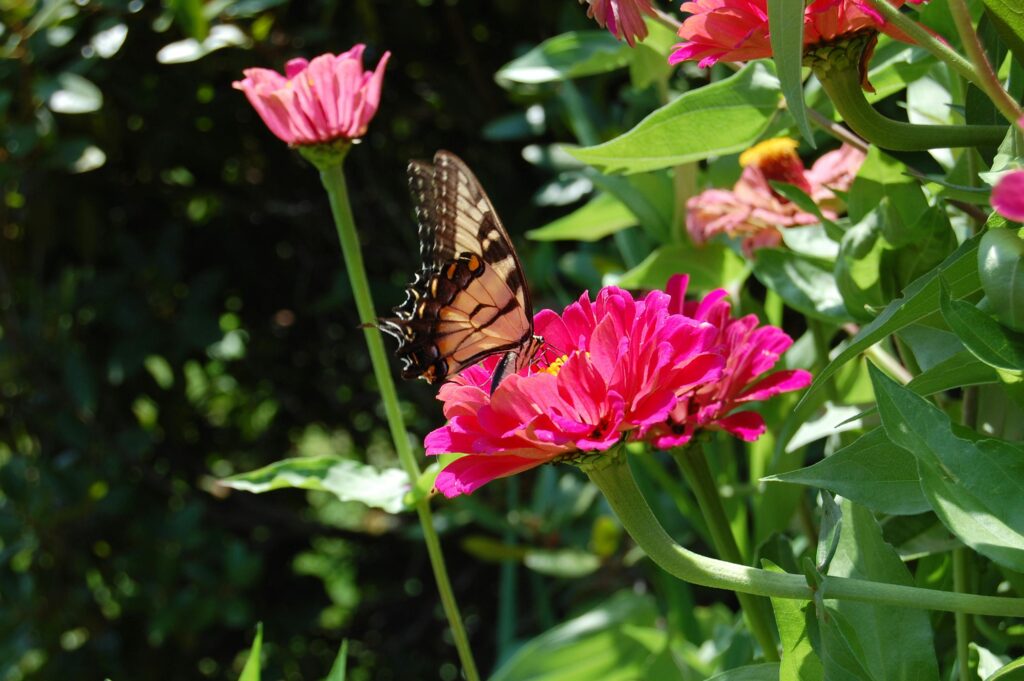
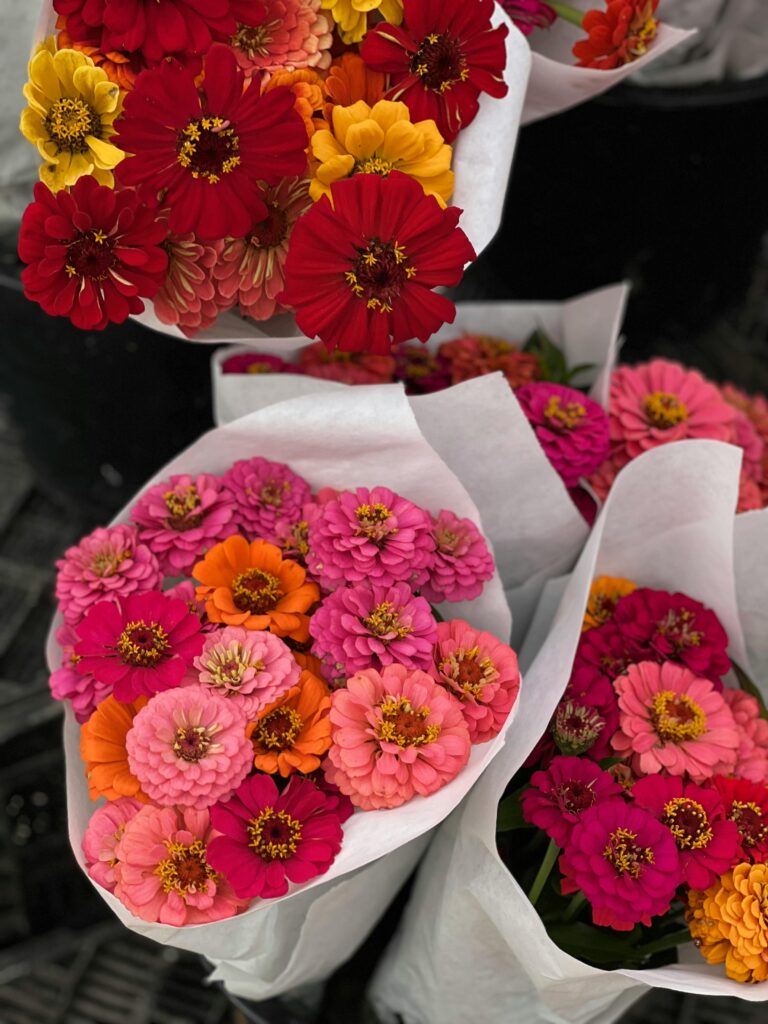
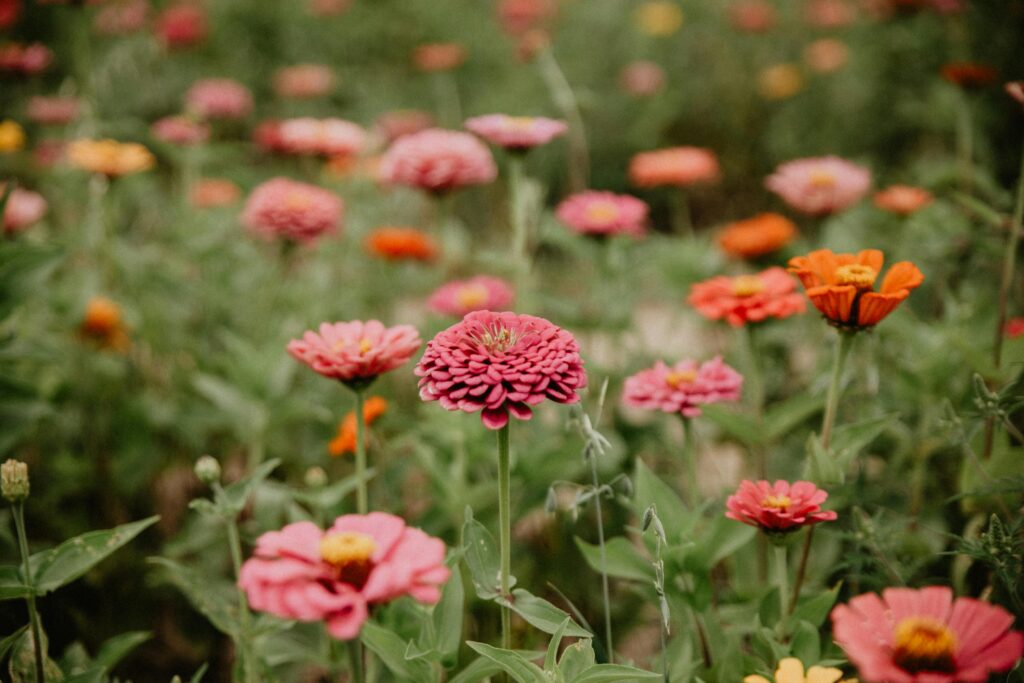
Zinnias are annual flowers that belong to the Asteraceae family. Originating from Mexico, these beauties come in a wide array of colors, including red, yellow, pink, and orange, making them perfect for brightening up any garden. They’re known for attracting butterflies and hummingbirds, which will add to the lively atmosphere of your backyard.
Why Grow Zinnias?
You might be asking yourself why you should plant zinnias. Here are just a few great reasons:
- Easy to Grow: Zinnias are low-maintenance flowers that thrive in a variety of conditions.
- Diverse Varieties: With dozens of species and cultivars, there’s a zinnia for every taste!
- Cut Flowers: Zinnias make stunning cut flowers and can last up to a week in a vase.
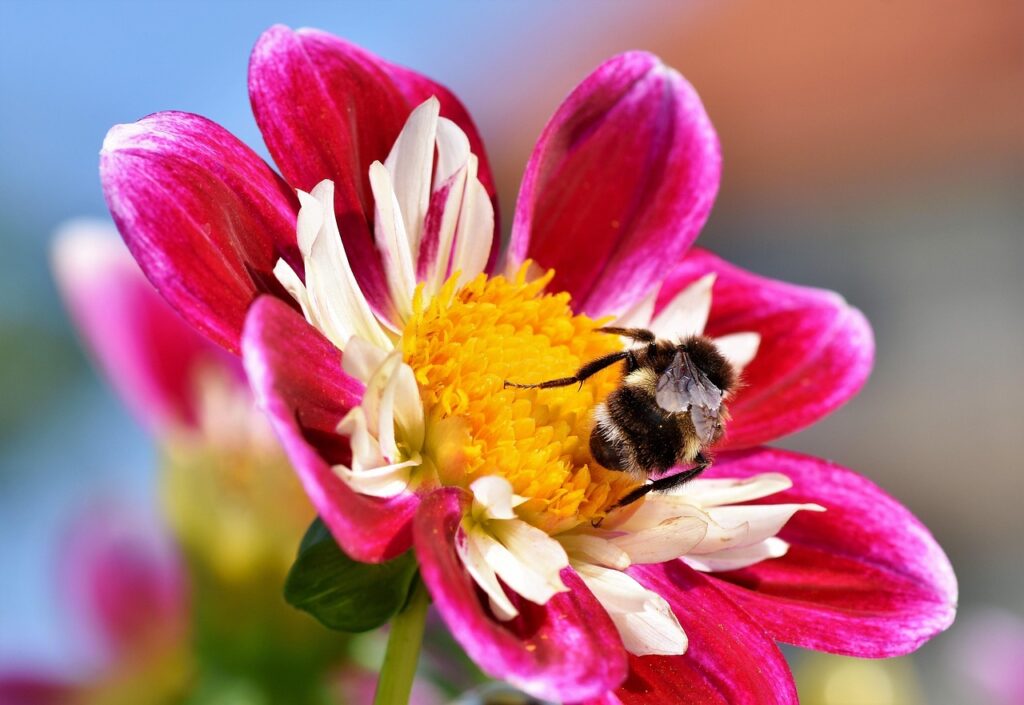
- Pollinator-Friendly: Their vibrant blooms attract beneficial insects, making them a great addition to any pollinator garden.
- Resilient Nature: Zinnias are resistant to many common garden pests and diseases, making them a reliable choice for novice gardeners.
Choosing the Right Zinnia Variety
Before getting our hands dirty, let’s explore some popular zinnia varieties:
- Zinnia elegans: This is the most common species, known for its daisy-like appearance and variety of colors.
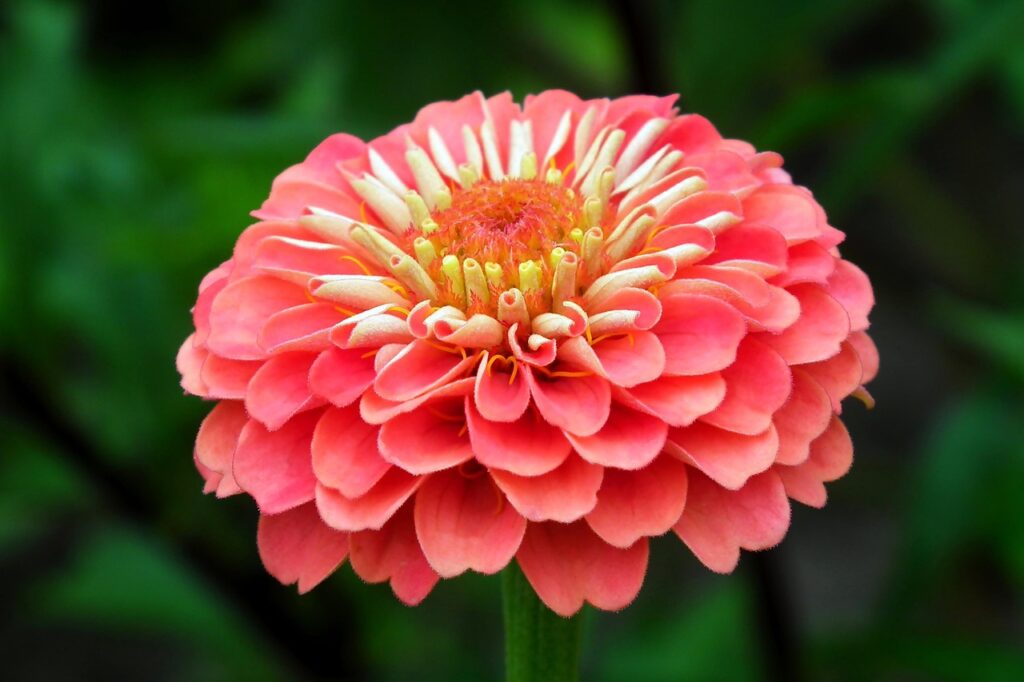
- Giant dahlia zinnias: These are perfect for stunning visual impact, boasting large blooms that can grow up to five inches in diameter!
- State Fair Mix: A mixed variety that offers a stunning blend of colors and sizes, perfect for those who can’t decide!
- Grape Zinnias: These smaller varieties are great for borders and pots, adding vibrant pops of color without taking up too much space.


When and Where to Plant Zinnias
Now that we know why we love zinnias and which varieties to choose from, it’s time to talk about planting! Here’s how to set yourself up for success:
1. Timing: Zinnias thrive in warm weather. Wait until the last frost has passed, usually in late spring, to plant them. In USDA zones 3-9, this typically means planting from late April to June.
2. Location: Choose a sunny spot in your garden where zinnias will receive at least 6-8 hours of direct sunlight each day. They love the sun, and the more light they get, the more flowers you’ll enjoy!
3. Soil Preparation: Zinnias prefer well-drained, sandy soil with a pH between 6.0 and 7.0. Mix in some compost to improve soil fertility and drainage. If your soil is too clayey, consider raised beds or containers to ensure good drainage.
The Planting Process
Let’s get our hands dirty! Here’s a step-by-step guide for planting zinnias:
1. Sow Seeds:
- You can start zinnias indoors about 6-8 weeks before the last expected frost, or you can direct sow them into the garden.
- If starting indoors, plant the seeds in seed trays and cover them lightly with soil. Ensure they’re kept in a warm place until they germinate.
- For direct sowing, plant the seeds about 1/4 inch deep and 12-18 inches apart once the soil warms up.
2. Watering:
- After planting, water the seeds gently to keep the soil moist but not soggy.
- Once they sprout, water deeply once a week. Zinnias prefer deep watering rather than frequent shallow watering.
3. Thinning Seedlings:
- If you’ve sown seeds too closely, thin them out to about 12-18 inches apart when they’re a few inches tall. This helps ensure good air circulation and healthy growth.
Caring for Your Zinnias
With your zinnias planted and sprouting, let’s ensure they grow big and strong. Here’s how:
1. Watering: Regular watering is key, especially during dry spells. Aim for deep watering once a week.
2. Fertilizing: Zinnias are not heavy feeders, but a balanced fertilizer every 4-6 weeks can help promote healthy growth. Just avoid excessive nitrogen, which can lead to more leaves than blooms.
3. Weeding: Keep the area around your zinnias free from weeds that compete for nutrients. Mulch can help suppress weeds and retain soil moisture.
4. Pest Management: Zinnias are relatively pest-resistant, but watch out for aphids and spider mites. If you spot any, a strong spray of water or insecticidal soap can help manage them.


Supporting Your Zinnias
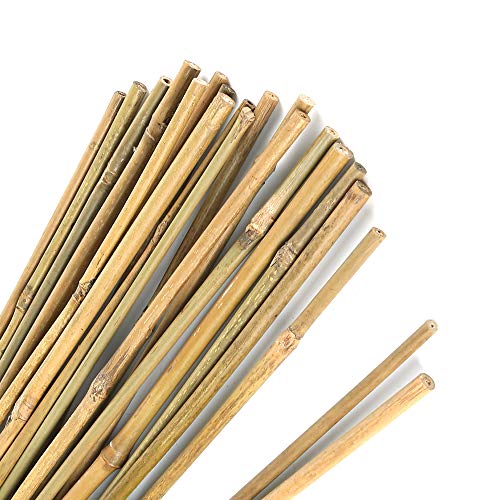
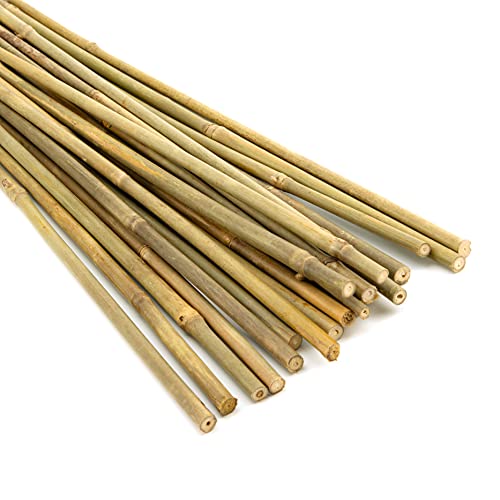
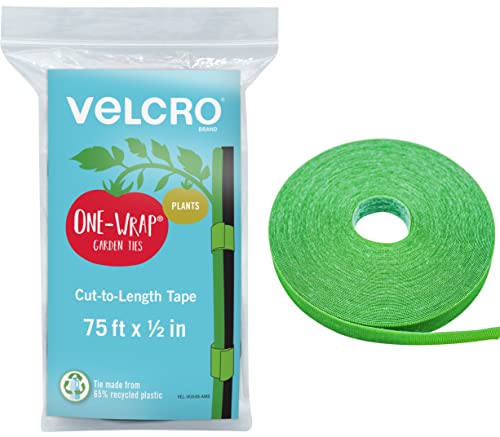
Tall zinnia varieties may need some stakes for support, especially in windy areas. Use bamboo stakes or other support systems to keep them standing tall. Tie the stems to the stakes gently to prevent damage.

Harvesting Zinnias
Harvesting zinnias for a bouquet is a delightful task! Follow these tips to keep your flowers blooming longer:
Best Time to Cut: Cut zinnias in the morning after the dew has dried but before the sun is too hot. This helps maintain their freshness.
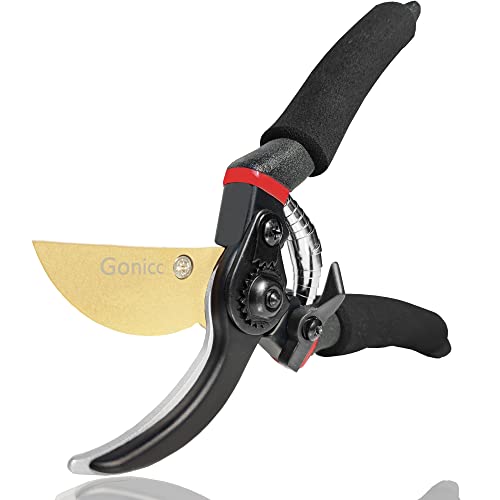
Cutting Technique: Use sharp shears or scissors to cut the stems at a 45-degree angle. This increases the surface area for water uptake in your vase.
Vase Care: Place your freshly cut zinnias in water immediately to prevent wilting. Changing the water every few days will help them last longer.



Dried Zinnias: A Lovely Keepsake
Did you know zinnias can be dried for everlasting beauty? Here’s how:
1. Gathering: Cut zinnias when they’re fully open, just like you do for fresh bouquets.
2. Drying Method: You can hang them upside down in bunches, or place them flat on a drying rack. They usually dry within two weeks.
Troubleshooting Common Issues
Even the best gardeners face challenges. Here are some common problems you may encounter with zinnias and how to deal with them:
- Powdery Mildew: If you notice a white powdery coating on the leaves, it might be powdery mildew. Ensure good air circulation, and consider using a fungicide if needed.
- Wilting Leaves: This could be a sign of overwatering or underwatering. Check the soil moisture before making adjustments.
- Stunted Growth: This may happen if they aren’t getting enough sunlight. Ensure they are in a location with adequate light.
Final Thoughts
Zinnias are the perfect way to add color and vibrancy to your garden or home. With their simple care requirements and gorgeous blooms, they’ll quickly become a favorite for you and your pollinator friends. Whether you’re using them for cut arrangements, creating a pollinator haven, or simply enjoying them in your garden, you can’t go wrong with these cheerful flowers.