We are finally reaching the end of summer and entering that delightful time of the year when trees show off their stunning shades of orange, gold, and red. The fall season is finally rolling in! Along with the beautiful deluge of autumn leaves comes the age-old dilemma: should you leave the leaves or rake them up?
Traditionally, most of us grab our rakes and set some time aside for clearing our yards of this colorful leaf clutter. However, a new trend is blooming, and it’s all about leaving leaves where they fall. In this friendly blog post, we’ll explore the benefits of both options to help you make an informed decision that suits your yard and your lifestyle.
The Beauty of Autumn Leaves
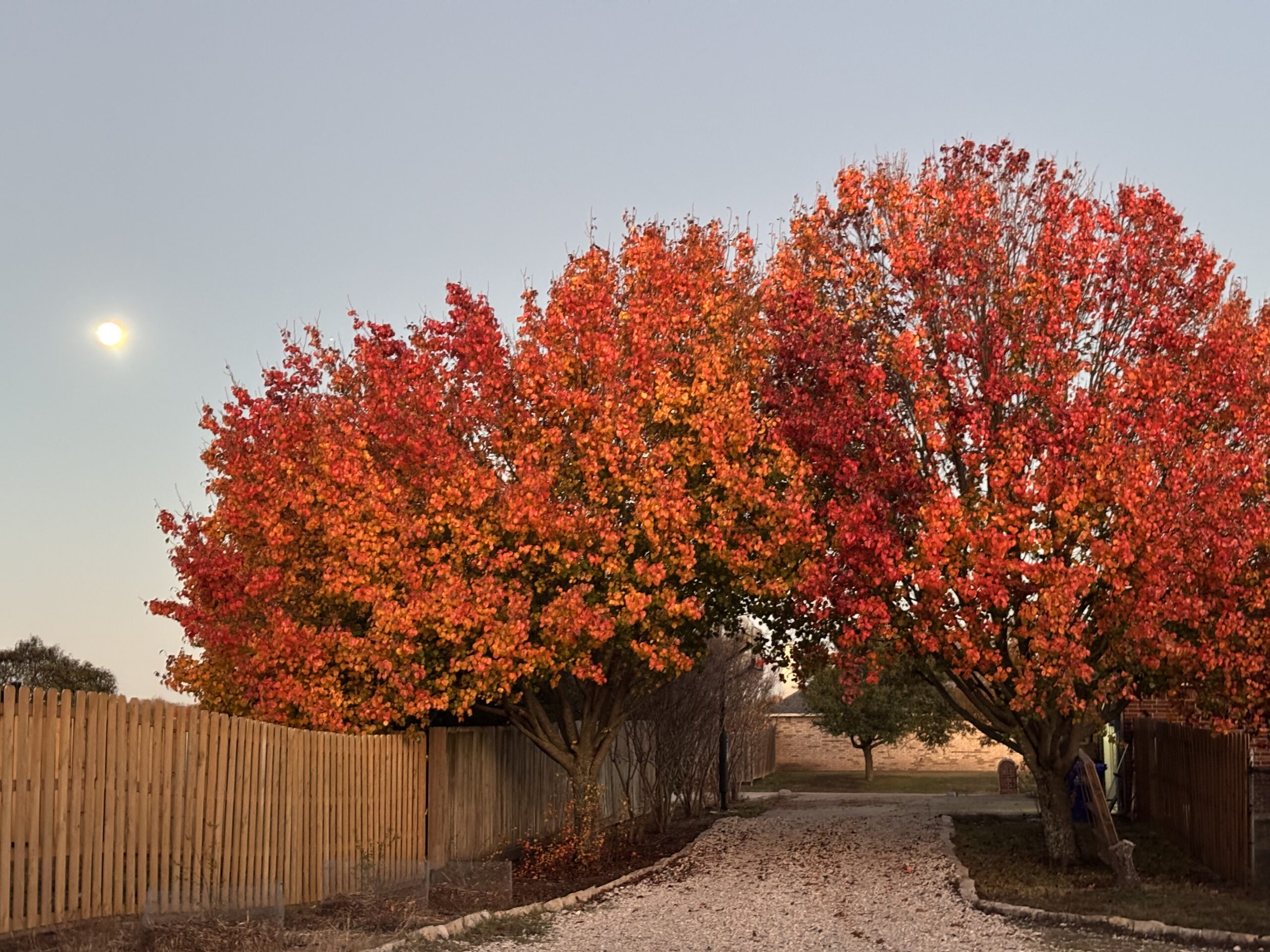
Firstly, let’s take a moment to appreciate the beauty of autumn leaves. The colorful foliage that blankets our lawns is stunning and brings a cozy ambiance to neighborhoods. When left undisturbed, these leaves create a picture perfect autumn scene that many of us cherish. But beyond aesthetics, there’s a practical side to this vibrant mess that is often overlooked.
The Case for Leaving Leaves
Let’s start by exploring why people are opting to leave leaves instead of raking them up. This trend isn’t just about convenience; it’s also rooted in various environmental benefits. Here’s a closer look:
Reducing Yard Waste
Think about how eco-conscious your decision to leave leaves is. Instead of bagging them and sending them off to a landfill, you’re reusing them in your own space and promoting sustainability. This practice reduces the amount of waste sent to landfills, leading to lower greenhouse gas emissions and less pressure on waste management systems. Its a small yet impactful way to reduce your environmental footprint.
Habitat for Wildlife
Leaving leaves on your property creates a welcoming habitat for various forms of wildlife. Here’s how:
- Insect Habitats: Many beneficial insects, like butterflies, lacewings and ladybugs, find shelter under the foliage.
- Bird Nesting Material: Birds may use dry leaves and foliage as nesting materials in the spring.
- Fungal Growth: The leaves also provide a substrate for mushrooms and other fungi, which are crucial for nutrient cycling.
By opting to leave leaves, you’re supporting biodiversity in your yard, which is essential for a balanced ecosystem.
Natural Mulch
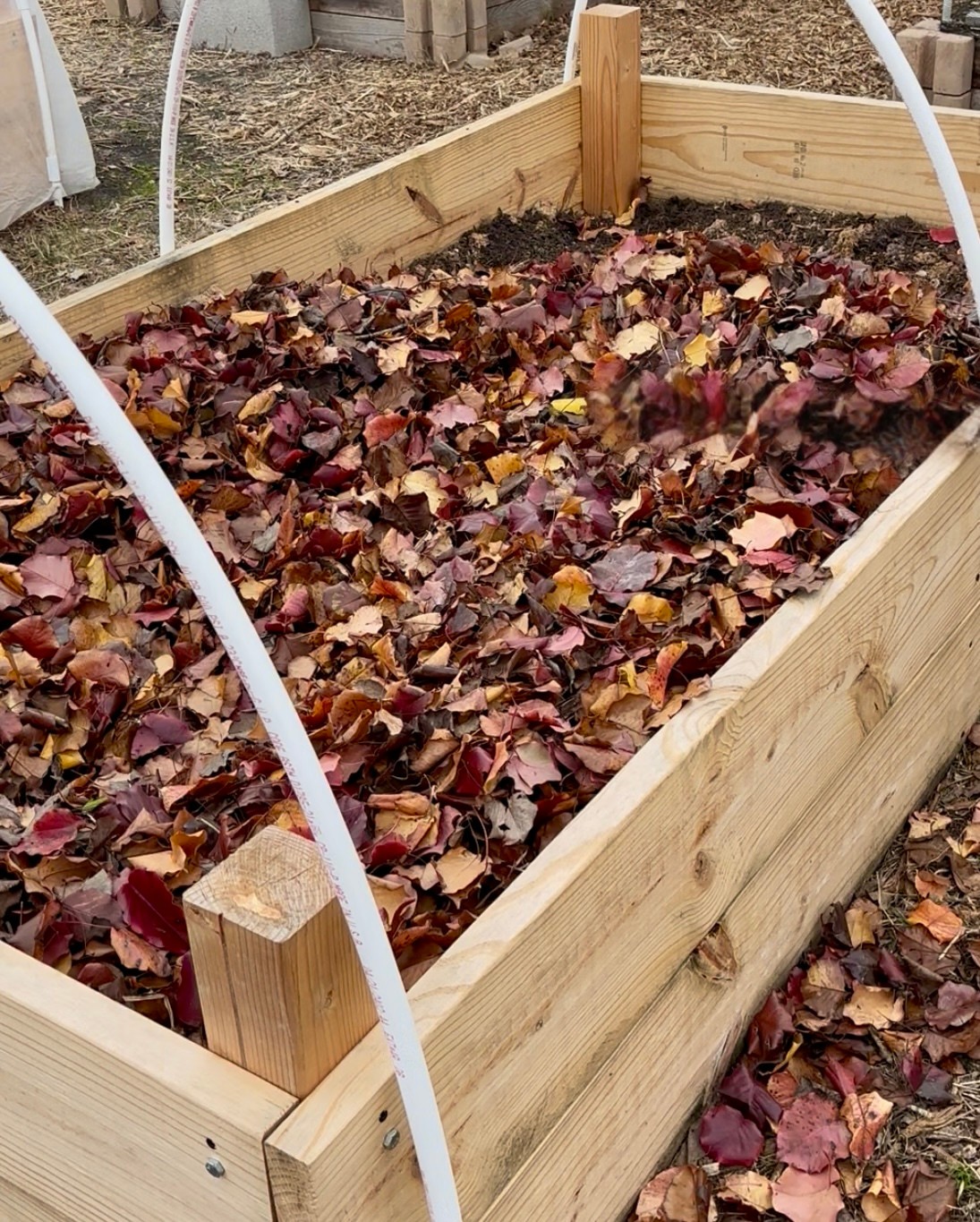
One of the biggest benefits of leaving leaves on your lawn is that they act as a natural mulch. This layer of organic matter serves several purposes:
- Moisture Retention: Leaves help retain moisture in the soil, reducing the need for frequent watering.
- Temperature Regulation: A mulch of leaves keeps the soil temperature stable, protecting grassroots during temperature swings.
- Weed Suppression: Thick layers of leaves can deter weed growth, making life easier for your plants.
Soil Improvement
Healthy soil is a key component of a thriving garden. As leaves decompose, they create a rich humus layer that improves soil structure and health. This can lead to:
- Enhanced Soil Aeration: As leaf matter breaks down, it creates air pockets that allow oxygen to circulate in the soil.
- Improved Drainage: A well-mulched yard can prevent waterlogging, as the broken-down leaves help absorb excess moisture.
- Better Plant Growth: With improved soil quality, your plants will thrive, leading to a lush yard come springtime.
Reduced Labor and Cost Savings
Let’s be real: perhaps one of the most appealing reasons to leave leaves is the sheer convenience! Raking leaves can be a labor-intensive job. For those with large yards or busy schedules, leaving leaves can save time and energy. You may spend less money and not need to buy bags, rakes, or hire lawn care services. Weekends are better spent enjoying your yard rather than working in it!
Nutrient Cycling
As leaves break down over time, they release valuable nutrients back into the soil. This process, known as decomposition, is a natural way of contributing to soil health. The leaves provide:
- Carbon: Essential for microbial life in the soil.
- Nitrogen: As leaves decompose, they contribute nitrogen, which plants need for growth.
- Other Nutrients: Leaves also add trace minerals that enhance soil richness.
By letting leaves naturally break down, you’re giving back to your soil without spending a dime on commercial fertilizers.
Encouraging Earthworms
Earthworms are nature’s little recyclers, and they thrive in leaf litter. By leaving leaves untouched, you support the earthworm population, which in turn aids in soil aeration and nutrient cycling. Earthworms help decompose organic matter and create nutrient-rich castings that directly benefit your soil.
Natural Pest Control
While some may think of fallen leaves as a pest hazard, they actually promote a balance in the ecosystem. Many beneficial organisms find homes within the leaves and act as predators to harmful pests. This natural pest control contributes to a healthier garden overall.
Temperature Moderation
The layer of leaves can insulate the ground, providing a habitat for overwintering insects and helping protect plant roots from extreme cold. This is particularly beneficial for tender perennials that appreciate a little extra warmth during the winter months.
Fun for the Family
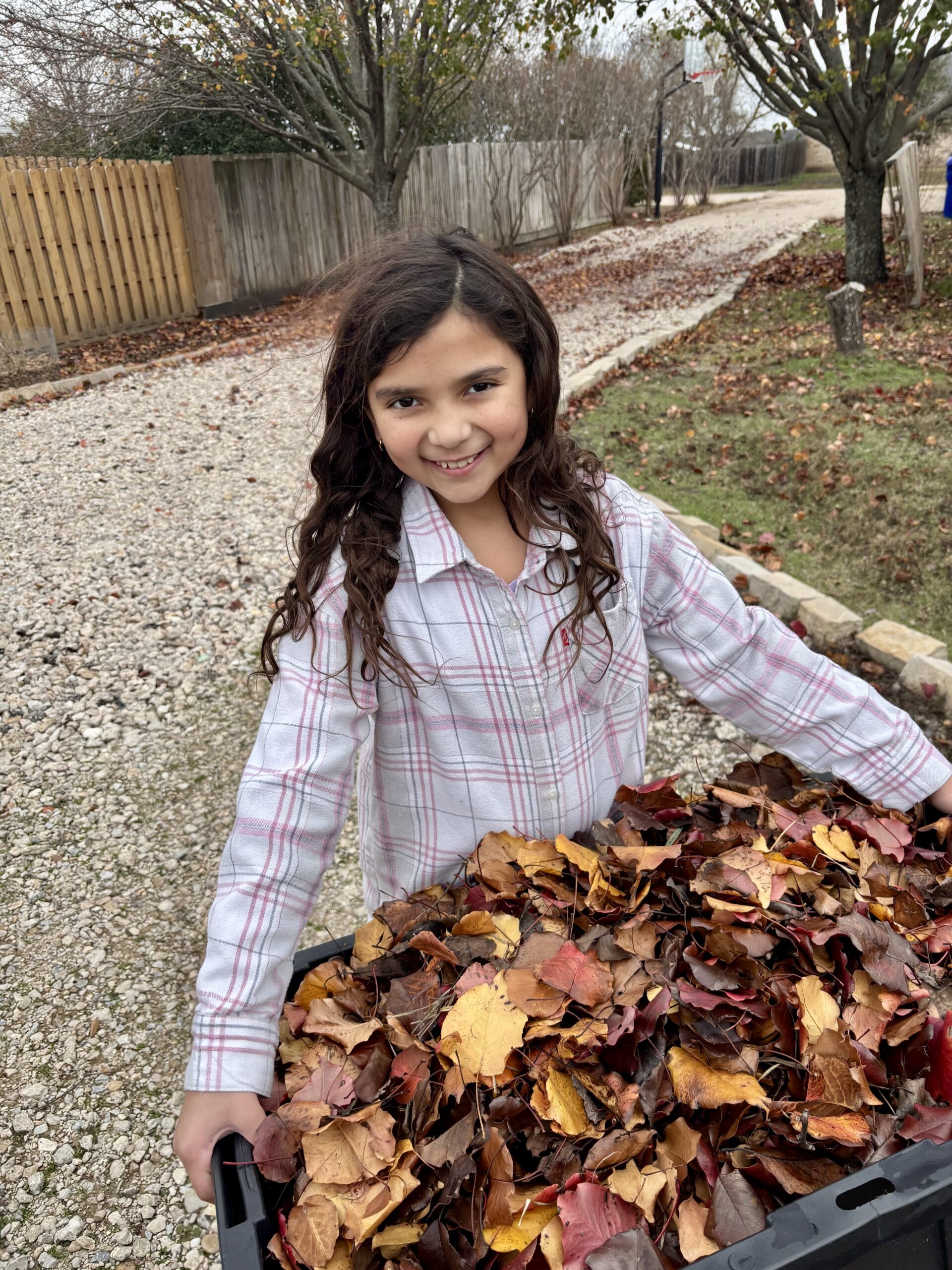
Let’s also talk about the fun aspect! Raking leaves may not be everyone’s cup of tea, but think of the family fun you can create by leaving them. Imagine jumping into leaf piles with the kids, savoring the crisp air, and enjoying the season’s beauty together.
Aesthetic Appeal
So, we’ve talked a lot about the benefits of leaving leaves from a practical standpoint, but let’s not forget the aesthetic appeal! A blanket of leaves can add texture and rustic beauty to your landscape.
Moreover, as the leaves rot down, they form a beautiful earthy layer that can visually complement the winter landscape. When spring rolls around, all that organic matter will serve as a rich base for budding flowers and grasses.
The Case for Raking Leaves
Of course, every trend has its flip side. While leaving leaves has plenty of perks, there are valid arguments for raking them up too. Let’s explore why some gardeners prefer to clear those decks:
Aesthetic Concerns
Let’s face it—some folks really like that clean, polished look of a freshly raked yard. Leaving leaves can create a messy appearance that might not appeal to everyone, especially if you’re in a neighborhood that values curb appeal. If you’re someone who takes pride in a pristine lawn, this could be a hard sell.
Easier Lawn Maintenance
If you plan to mow your lawn into the winter, raking the leaves is essential. Mowing over a thick mat of wet leaves can lead to clumping and a messy lawn, not to mention added stress to your mower.
Composting Opportunities
Raked leaves can be a green-thumb’s best friend when it comes to composting! Piling leaves can add valuable brown matter to your compost bin, speeding up the decomposition process and giving your garden black gold for next season.
Winter Prep
Raking leaves allows you to prepare your garden for winter. Without a covering of leaves, you can better focus on mulching other areas or preparing flower beds for the cold months ahead.
Pests and Diseases
While leaves can provide habitat for beneficial wildlife, they can also become a cozy home for unwanted pests, such as ticks and mosquitoes. Additionally, leaving wet, decaying leaves may foster fungal diseases that can spread to your plants. It’s essential to monitor your garden and remove any leaves that appear diseased. If you live in an area prone to pests, keeping your yard tidy can be a proactive approach.
Lawn Health
In some cases, a heavy layer of leaves can block sunlight from reaching your grass and other plants. If your yard is too thickly carpeted with leaves, it might smother your grass, block sunlight and air circulation. Hindered growth and lead to patchy and unhealthy grass! In this situation, it may be best to thin out the leaf coverage to let the light shine through.
Allergies
For those prone to allergies, the mold and mildew that can develop in damp, decaying leaves may not be the best scenario. If you’re sensitive to allergens, keeping the leaves around may be a trigger. It’s always wise to know your own limits and take care of your health first!
HOA Rules
If you live in a neighborhood with a Homeowners’ Association (HOA), it’s a good idea to check the rules before leaving leaves. Some associations have strict guidelines about yard maintenance, and you don’t want to risk a friendly (or not-so-friendly) reminder about your leaf-covered lawn!
Finding a Middle Ground
So, what’s a gardener to do? It doesn’t have to be an all-or-nothing decision. Here are a few friendly tips for finding a balance between raking and leaving:
Selective Raking
Consider raking in areas that need it most, like the lawn where grass is at risk of being overwhelmed, while leaving leaves in garden beds or less visible areas to prevent weeds and provide nutrients.
Mow Over Them
Instead of just leaving whole leaves in clumps, consider using a mower to chop them into smaller pieces. This can speed up decomposition and create a more aesthetically pleasing layer on your lawn. Make sure to mow your leaves when dry to facilitate the task! This option combines some of the benefits of both worlds, keeping your yard tidy while still enriching the soil.
Balance with Other Mulch
If you’re worried about the thickness of leaves or their impact on sunlight, consider mixing them with other types of mulch. By balancing a healthy layer of leaves with straw or wood chips, you’ll get the benefits without worrying about blockages.
Monitor and Maintain
Keep an eye on your garden throughout the season. If you notice any signs of pests or disease forming in the leaves, don’t hesitate to remove the affected areas. A little maintenance can go a long way in ensuring a thriving garden.
Composting
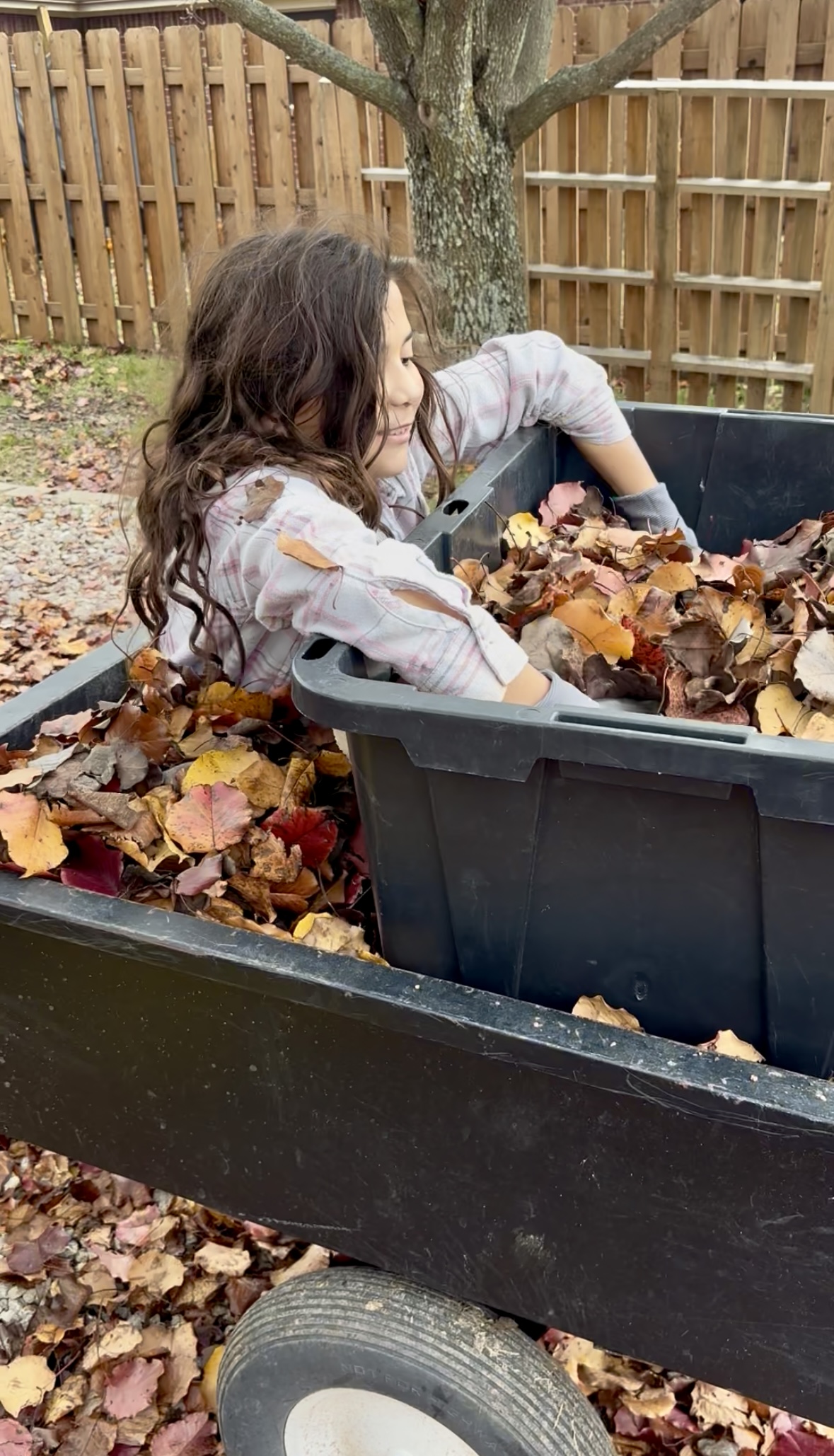
If you end up with a surplus of leaves, consider composting! You can mix them with grass clippings, kitchen scraps, and other organic materials to create nutrient-rich compost for your garden. It’s like Mother Nature’s best-kept secret!
Timing is Key
The timing of your raking can also make a difference. Rake after the peak of fall leaf drop. This way, you’re not constantly raking every time a few leaves fall!
Embrace the Variety
Different types of leaves decompose at different rates. Experiment with leaving a variety of leaves in your garden—some are great for quick nutrient release, while others might take a bit longer, allowing for sustained nutrient availability.
Your Personal Gardening Philosophy
Ultimately, whether you choose to leave leaves or rake them boils down to your gardening philosophy, aesthetic preferences, and the time you want to invest. Gardeners are known for their creativity, so don’t hesitate to experiment with both methods until you find what works best for your plot of land.
Having that delightful crunch underfoot when you walk through fall foliage is a part of what makes autumn special, but so is a thriving garden come spring. By weighing the benefits of both leaving leaves and raking them, you can align your yard care with your personal values and priorities.
Final Thoughts: Are You Team Leave or Team Rake?
This fall, embrace the change in the seasons and decide how to handle those beautiful leaves in your yard. Whether you choose to let them be or opt for a clean-sweep approach, remember that nature provides valuable lessons in balance. Your yard can serve as a haven for wildlife, a canvas for your creativity, or a perfect place to take in the beauty of autumn.
Whichever route you choose, enjoy the process. Feel free to invite friends or family to join in, make it a fun outdoor activity, and savor the crispness in the air. In the end, it’s all part of the cycle of life in your garden—and at the heart of it, gardening is all about making choices that bring you joy and satisfaction. Here’s to falling into the autumn spirit, one leaf at a time!