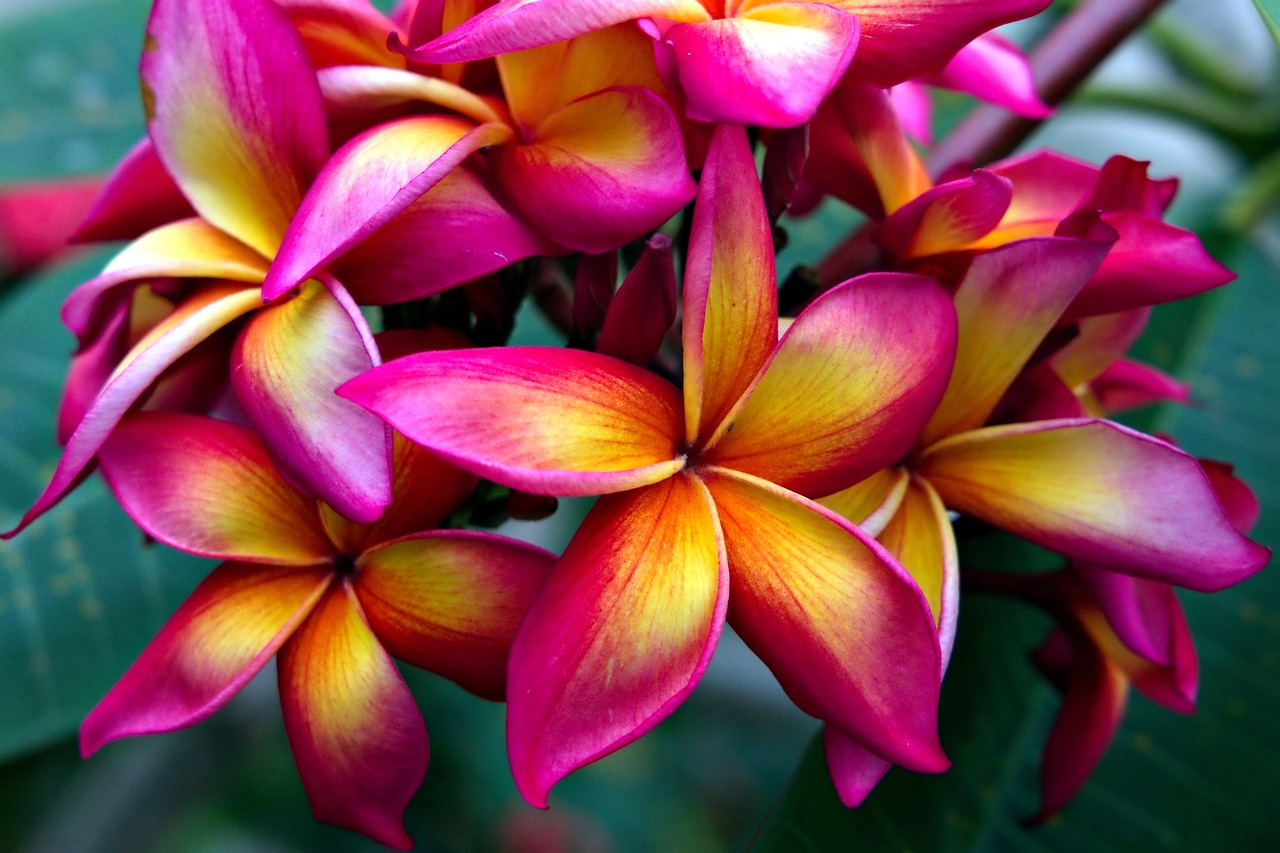
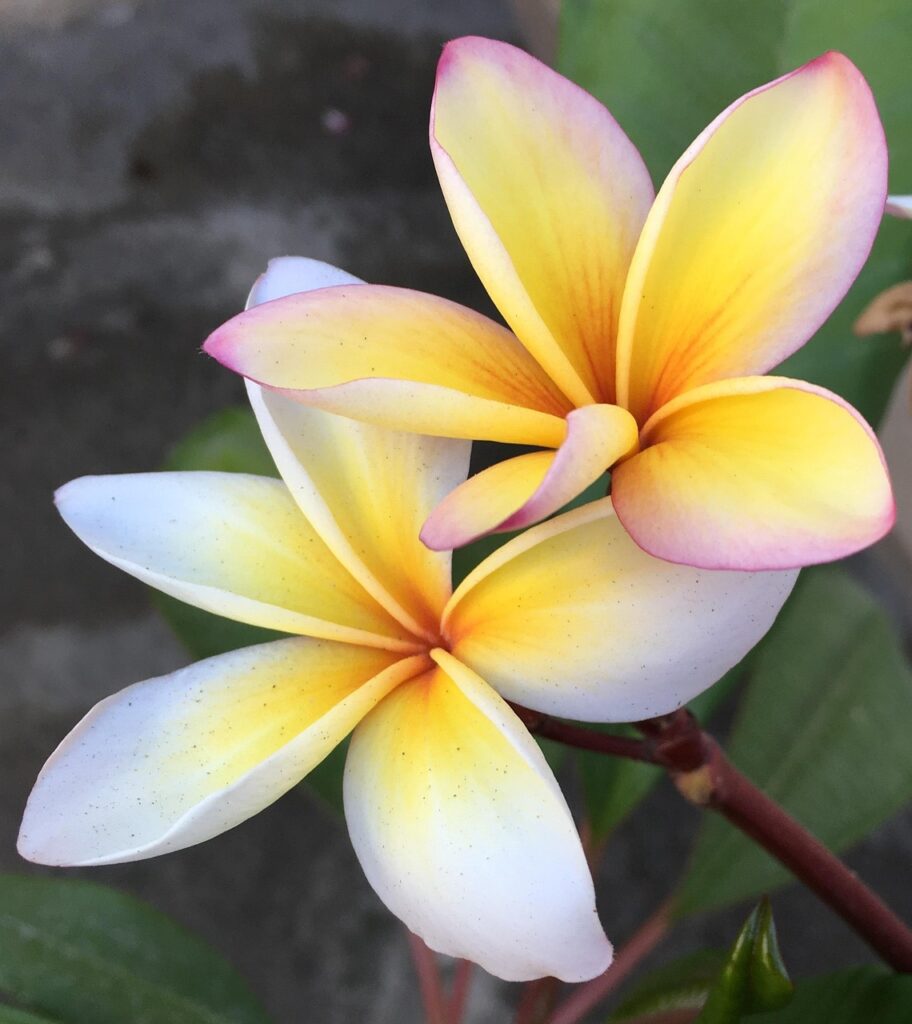
Plumeria plants, known for their stunning blossoms and sweet fragrance, are a staple in tropical gardens and landscapes. Often associated with Hawaii and other warm locales, these beautiful flowers can make your home feel like a paradise. This comprehensive guide will walk you through every aspect of plumeria care, from planting to blooming and beyond. Let’s dive in!
Purchasing items through the links provided in my blog is a way to help me earn a small commission at no extra cost to you. Thank you so much for your interest and support! See the full disclosure here!
Understanding Plumeria
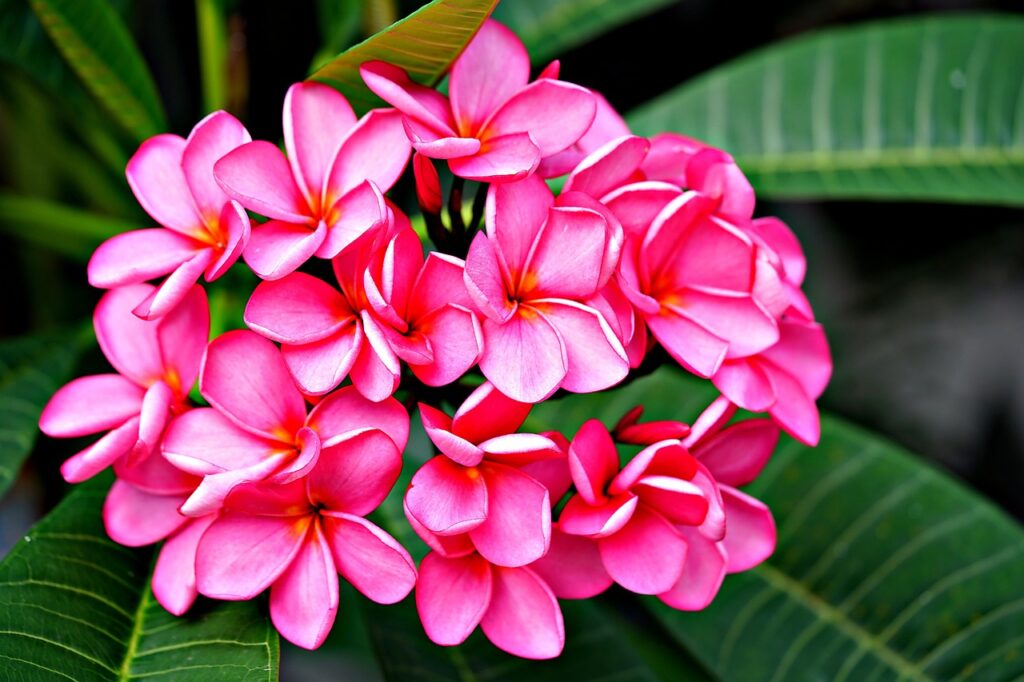
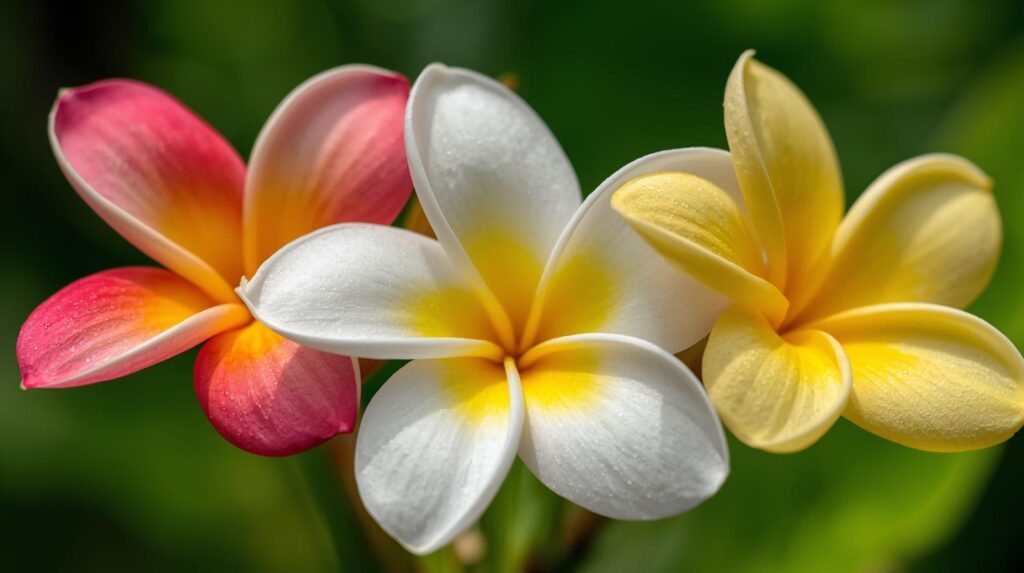
Plumeria, also known as frangipani, belongs to the Apocynaceae family and comes in various species and hybrids. They’re renowned for their beautiful flower clusters, which can range in color from white and yellow to pink and red. Not only do they add aesthetic value to any space, but they also carry a delightful fragrance.
Common Types of Plumeria
1. Plumeria rubra: Known for its wide variety of colors and scents.
2. Plumeria obtusa: Features thicker, oval leaves with a more compact growth habit.
3. Plumeria pudica: Characterized by its upright growth and long-lasting flowers.
Before you start caring for plumerias, it’s essential to understand your specific variety, as care guidelines may vary slightly.
Choosing the Right Location
Plumerias thrive in warm, tropical and subtropical climates. Here’s what to consider when choosing a spot to plant your plumeria:
1. Sunlight: Plumeria plants require full sun to thrive. Aim for at least 6 to 8 hours of direct sunlight each day. A south-facing patio or garden bed is ideal.
2. Temperature: They prefer temperatures between 65°F and 85°F. Protect your plumeria from frost, as it can severely damage the plant.
3. Wind Protection: Strong winds can damage the delicate flowers and leaves. Consider positioning your plant near a wall or other structure for some protection.
Soil Requirements
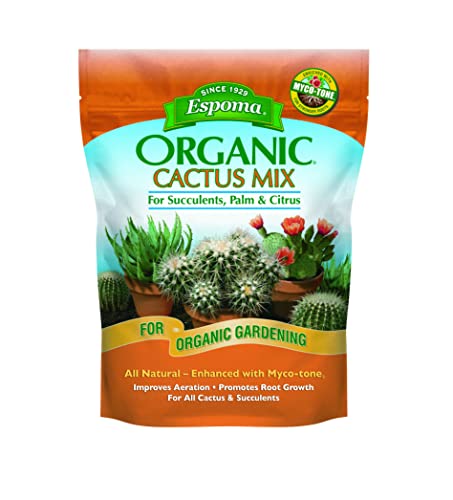
Plumerias thrive in well-draining soil. Here’s how to achieve the perfect medium:
1. Soil Type: A mixture of potting soil, sand, and perlite works well. The goal is to retain moisture without water-logging.
2. pH Level: Ideally, the soil’s pH should be around 6.0 to 7.5.


Potting
If you’re planting plumeria in pots:
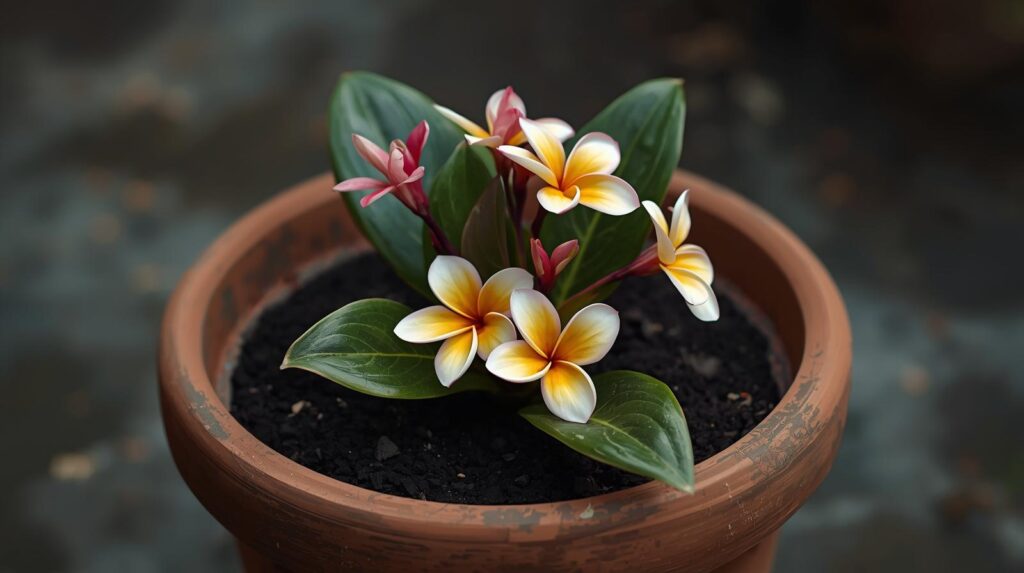
-Choose a pot with drainage holes at the bottom.
-Use a lightweight potting mix.
-Repot every two to three years to refresh the soil and support growth.

Planting Plumeria
1. Timing: The best time to plant plumeria is in the spring after the last frost.
2. Planting Depth: Dig a hole that is about 3 times wider than the root ball and deep enough to accommodate it without bending the roots.
3. Spacing: If planting multiple plumerias, space them about 4 to 5 feet apart to allow for their expansive growth.
4. Watering: After planting, water the plumeria thoroughly, then allow the soil to dry out before watering again.
Watering Your Plumeria
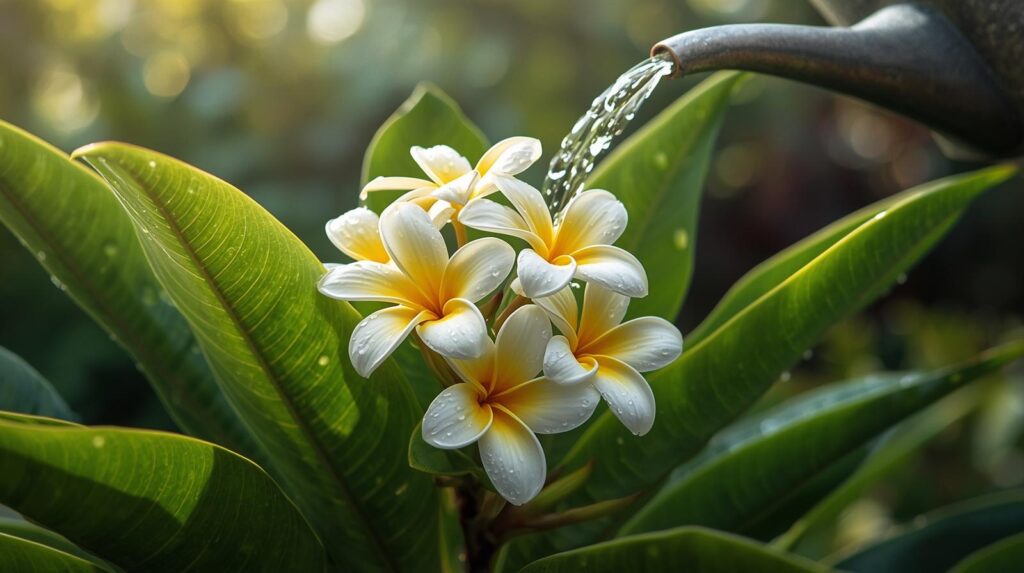
Plumerias need consistent moisture, but overwatering can lead to root rot. Here’s how to water effectively:
1. Frequency: Water thoroughly when the top inch of soil feels dry. In hot weather, this might be every week, while in cooler seasons, every two weeks is typically sufficient.
2. Techniques: Use a soaker hose or gently pour water around the base of the plant to avoid wetting the leaves, which can encourage fungal diseases.
3. Signs of Overwatering: Yellowing leaves and a musty smell from the soil indicate overwatering.


Fertilizing Your Plumeria
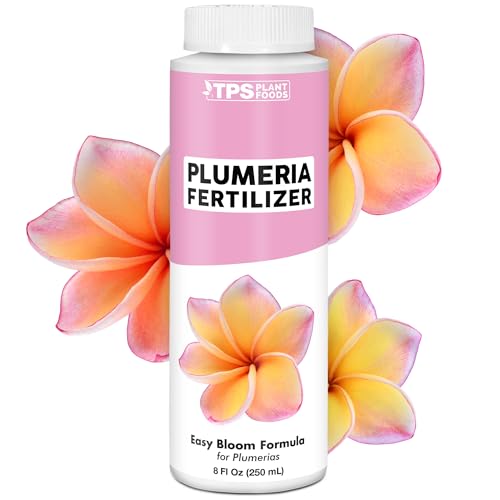
Plumerias are heavy feeders, especially during the growing season. Here’s how to fertilize effectively:
1. Type of Fertilizer: Use a fertilizer that is high in phosphorus (the middle number in the N-P-K ratio should be greater) to promote blooming. A 10-30-10 fertilizer is a great option.
2. Application Time: Fertilize every 4-6 weeks during the growing season (spring through early fall).
3. Technique: Sprinkle the fertilizer around the base of the plant and lightly water it in.

Pruning Your Plumeria
Pruning is vital for maintaining the health and appearance of your plumeria:
1. When to Prune: The best time to prune plumeria is in late winter or early spring before new growth begins.
2. Techniques:
- Remove dead or yellowing leaves.
- Trim back any branches that are growing inward or crossing over each other for better air circulation.
- Cut back leggy growth to encourage bushier growth.
3. Hygiene: Always use clean, sharp tools when pruning to prevent disease transfer.


Pest and Disease Management
Like any plant, plumerias are susceptible to pests and diseases. Be vigilant:
1. Common Pests:
-Aphids: These sap-sucking pests can be controlled with insecticidal soap.
-Spider Mites: Use neem oil to treat infestations.
-Caterpillars: Hand-pick or use organic pesticides as necessary.
2. Diseases:
-Root Rot: Overwatering is the main crime. Make sure to have well-draining soil and water only when dry.
-Fungal Infections: Fungi typically thrive in humid conditions. Ensure good air circulation around the plant.
Encouraging Blooms
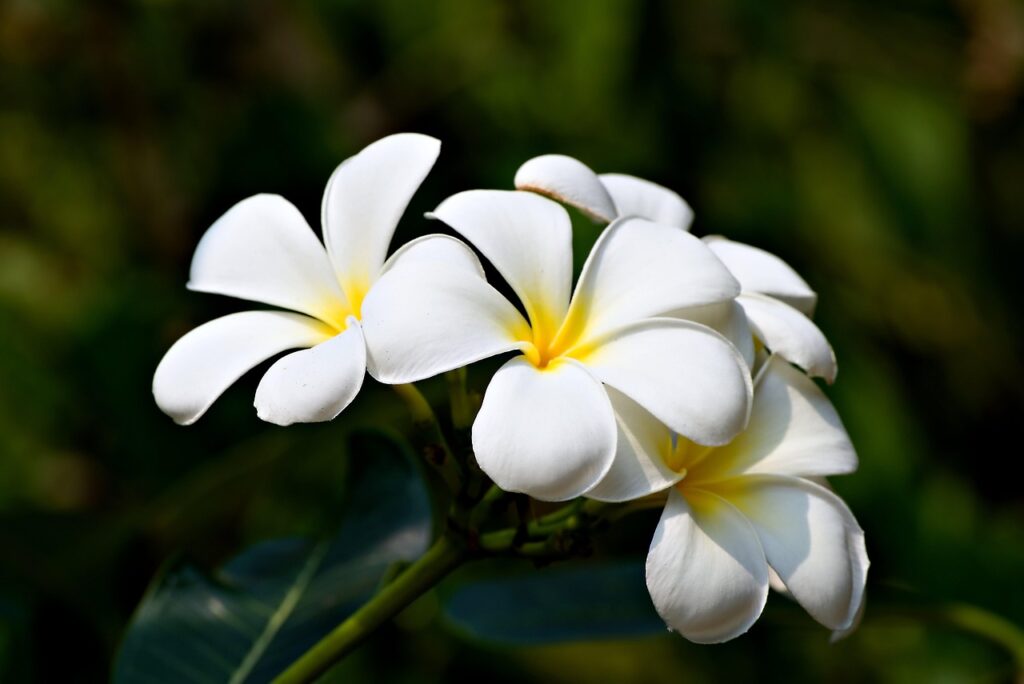
Getting your plumeria to flower can sometimes be a challenge. Here are tips to encourage blooming:
1. Sunlight: Ensure it’s getting adequate sunlight.
2. Fertilizer: Use the correct fertilizer and stick to a feeding schedule.
3. Pruning: Regular pruning can stimulate new growth and blossoms.
4. Patience: Some plumerias may take a few years to bloom, especially younger plants or certain varieties.
Winter Care for Plumeria
If you live in a cooler climate, your plumeria will need special care during winter:
1. Bringing Indoors: If your plumeria is potted, bring it inside before frost. Choose a bright, sunny spot.
2. Temperature: Maintain a minimum temperature of 50°F.
3. Watering: Reduce watering significantly during winter months. Only water to prevent the roots from drying out completely.
Propagating Plumeria
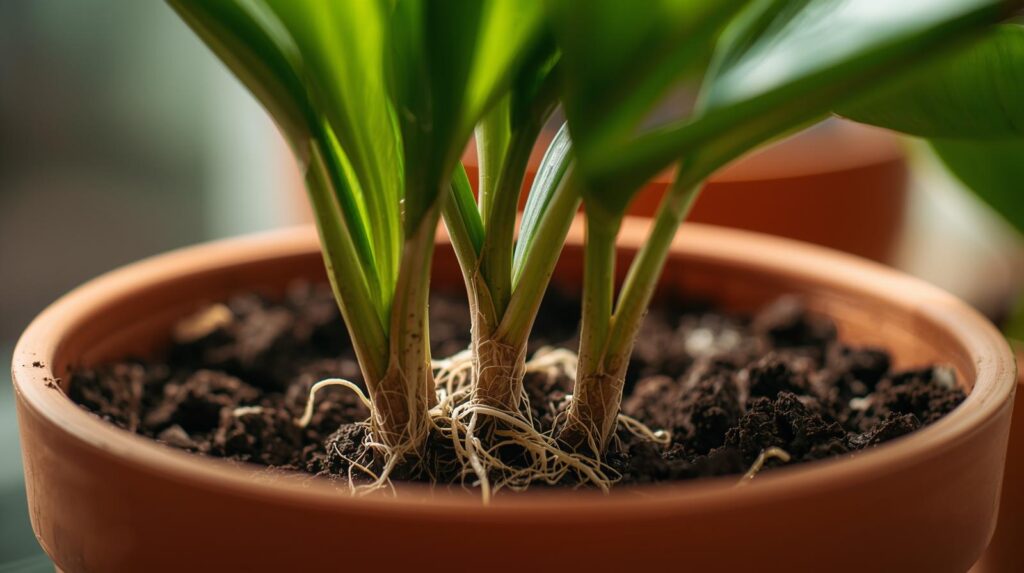
If you want more plumeria plants, propagating is straightforward:
1. Cuttings: Take 6- to 12-inch cuttings from healthy plants. Allow them to callous over for a few days before planting.
2. Planting Cuttings: Plant the cuttings in well-draining soil, keeping them in a warm, bright place until roots develop.
3. Watering: Water lightly at first, gradually increasing as roots establish.
Conclusion
Caring for plumeria plants can be a rewarding gardening experience. With their vibrant colors, fragrant blooms, and tropical appeal, these plants can bring a touch of paradise to any garden or balcony. Whether you are a novice gardener or a seasoned green thumb, following these guidelines will ensure that your plumerias thrive, bloom beautifully, and adorn your space for many years.